Silversea Cruises includes Wi-Fi on their ships. Passengers typically enjoy complimentary standard Wi-Fi throughout the cruise, which is suitable for general web browsing, emails, and social media. However, for activities requiring higher bandwidth, such as streaming or video calls, there may be an option to purchase a premium Wi-Fi package.
Drinks
Silversea Cruises offers a luxurious all-inclusive experience that includes a wide variety of beverages at no extra cost. Guests can enjoy premium wines, champagne, and sparkling wines, along with a selection of spirits, liquors, and classic cocktails. The package also covers an array of beers, soft drinks, bottled water, specialty coffees, and teas. Additionally, each suite features a fully stocked minibar tailored to personal preferences, with room service offering a full range of drinks.
Tips
The cruise line offers an all-inclusive experience, which means that gratuities for the staff, including butlers, waitstaff, and housekeeping, are already covered in the fare. This allows guests to enjoy their cruise without worrying about tipping or additional charges for service.
Specialty Dining
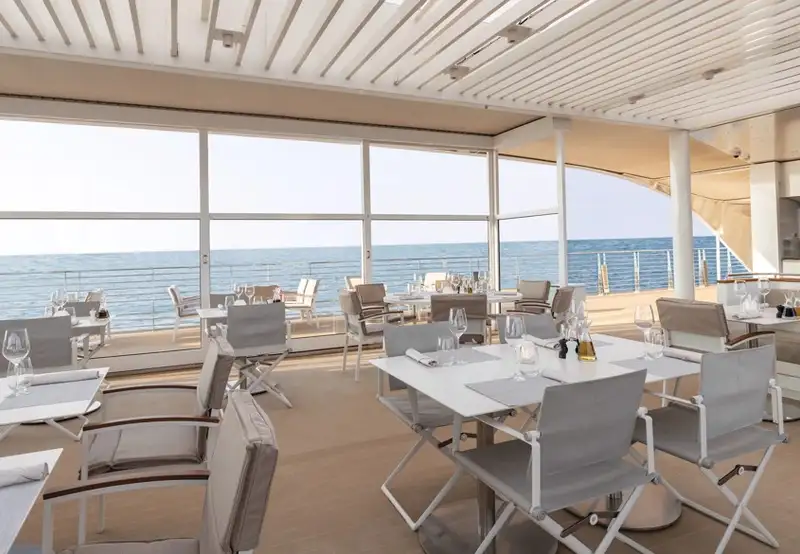
Specialty dining on Silversea cruises is generally included in the fare, which sets the cruise line apart from many others. Guests can enjoy a variety of fine dining options at no additional cost, although some specialty restaurants, like La Dame (Silversea’s French restaurant), may require a reservation fee.
Entertainment
Choose from a variety of things to entertain yourself including restaurants, bars, theatre, pools and much more.
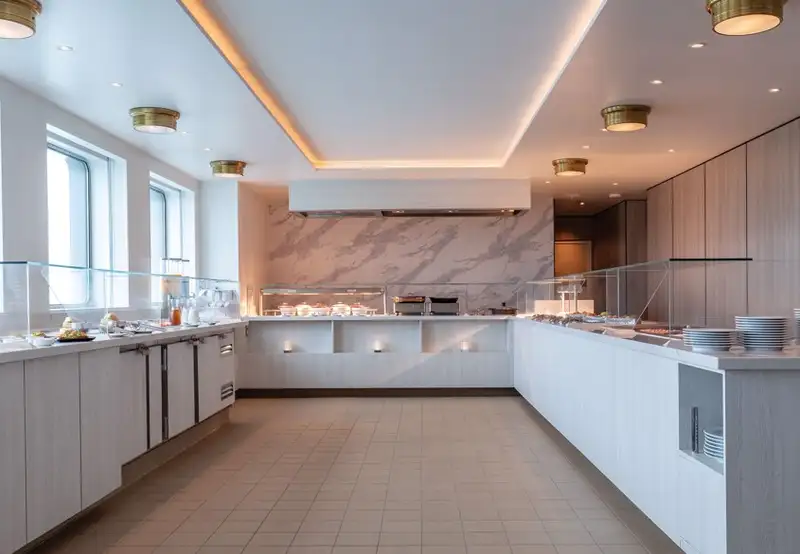
Gourmet meals are included as part of the cruise package. Guests can enjoy a wide range of dining options, from formal, multi-course dinners to casual, lighter fare. Dining options range from fine dining at the main restaurant to specialty venues offering cuisines like Italian, French, and Asian. All meals, including 24-hour room service, are included.
Accommodation
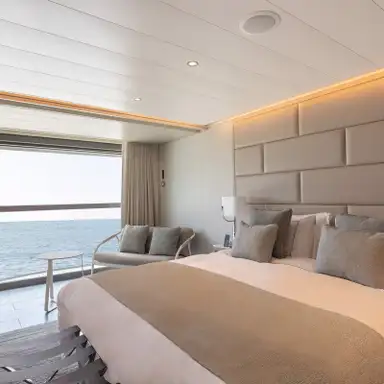
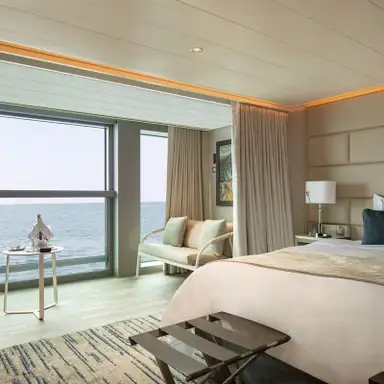
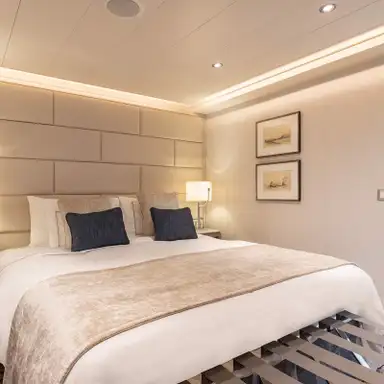
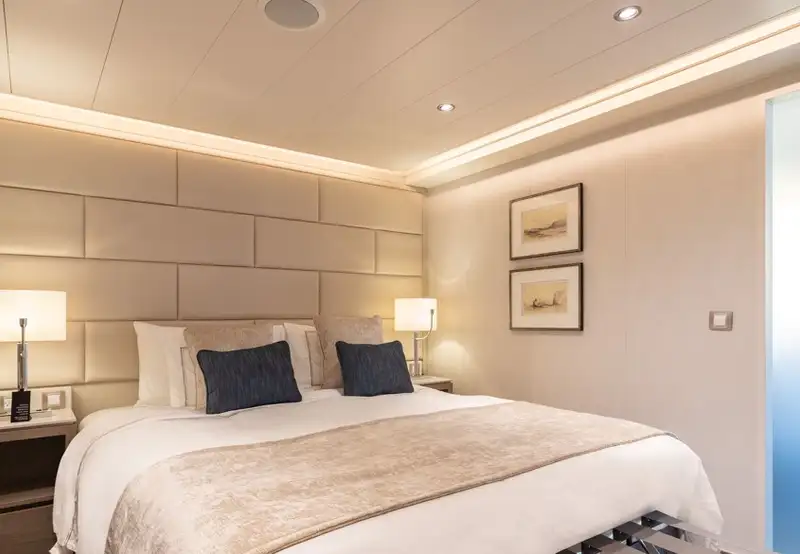
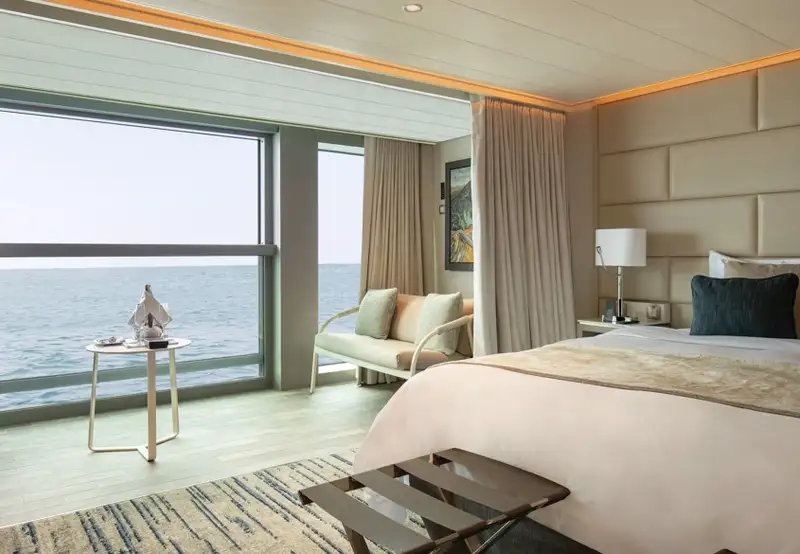
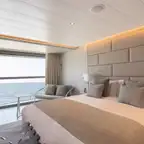
Your cabin is included in the price of the cruise.
Port Fees & Taxes
No surprises. All port fees and taxes are included in the price.
Extras
Parking
Car parking at the port or airport for the duration of your trip is not included within the price of the cruise. Port/airport parking can’t currently be booked with us online but please contact us after you have made the booking if you would like to add this to your package. An approximate cost for parking is between £12 - £20 per car per day. Alternatively we can arrange transfers from your home to the departure airport/port.
Insurance
Insurance is not included in your package. We've partnered with Holiday Extras. They have 40 years of experience and offer excellent insurance cover for your holiday. Their flexible policies offer cruise-specific cover, so you can rest assured that you are completely covered when you go away. Get a Holiday Extras insurance quote
Visa
Visas are not provided by us or the cruise operator. Visas and other travel documents have to be obtained by the individual passengers prior to sailing.
We've partnered with The Travel Visa Company for all your visa needs. They will be able to provide tailored advice and for a fee, assist with arranging your documents.
Ship Facilities
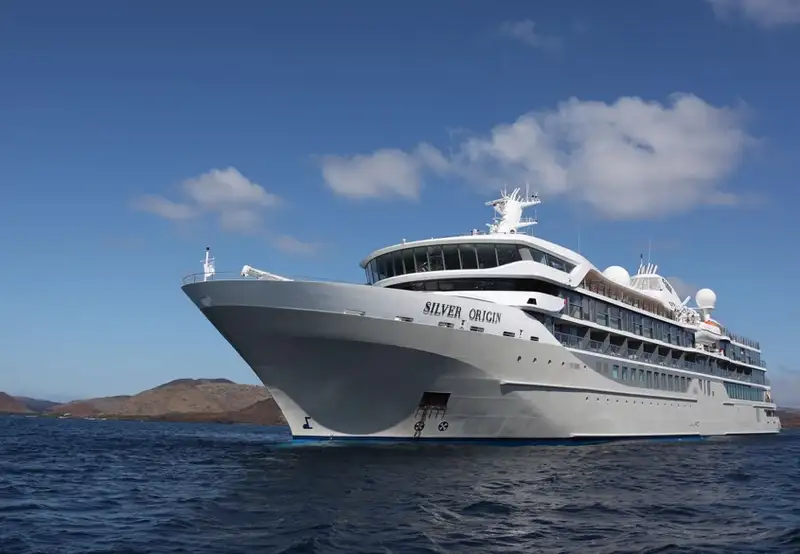
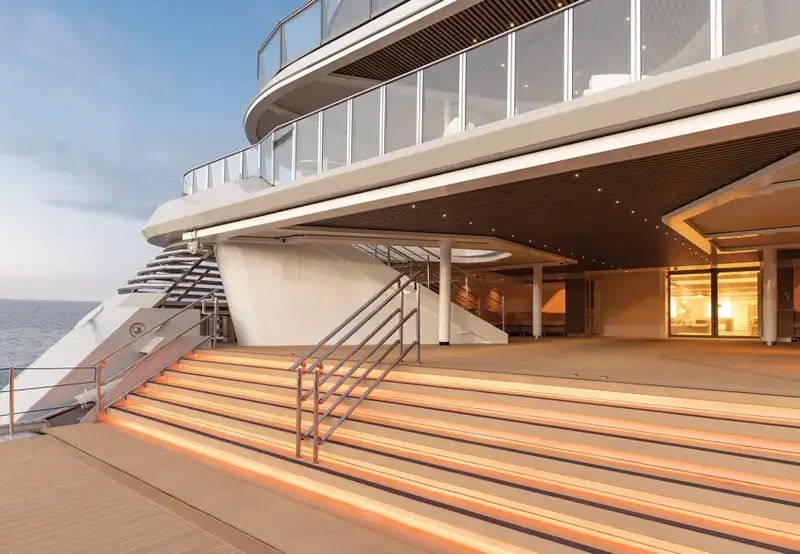
Silver Origin - By Silversea Cruises
Good for couplesExplorationFormalLuxury ShipSmall ShipUltra Luxury
All offers and prices are subject to change and availability at time of enquiry. Prices are based on two passengers sharing unless otherwise stated and are subject to the Tour Operator's terms and conditions. Cabin and Flight supplements may apply. Other supplements may apply in addition to the price shown above. Flight details, timings and routing may be subject to alteration. Other tour operator charges may also apply. Any Onboard Spending money or drinks package value shown will be per cabin, again based on two sharing.
Supplier Reference:
OR270327007
Talk to a Cruise Expert
Our cruise experts will help you pick the perfect cruise line, ship and destination.
We can tailor any package to suit your holiday needs: Add or extend hotel stays, arrange flights and find the best cabin location for you.
If your party size isn’t listed, you can still call us: 0203 848 3639
2 Adultsfrom £10,659 pp
1 Adultfrom £22,374 pp
2 Adults and 1 child
Enquire for price
2 Adults and 2 children
Enquire for price
Other party size
Enquire for price
For an accurate price please select 'Check Availability'
Back
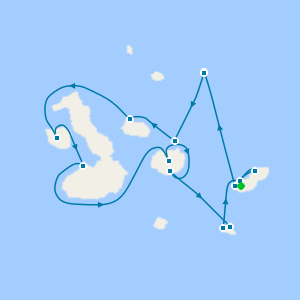
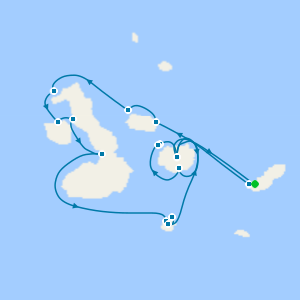
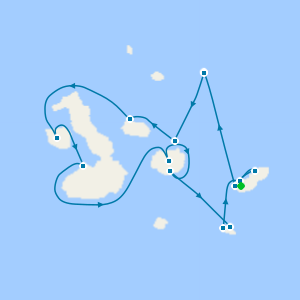
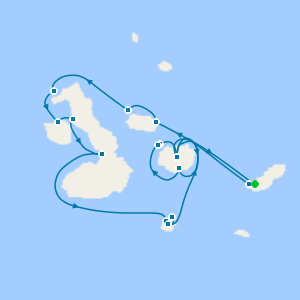
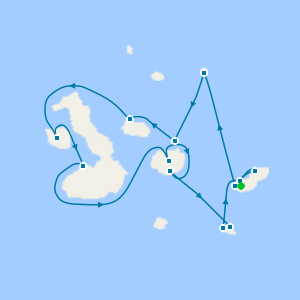
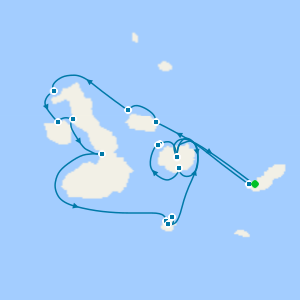
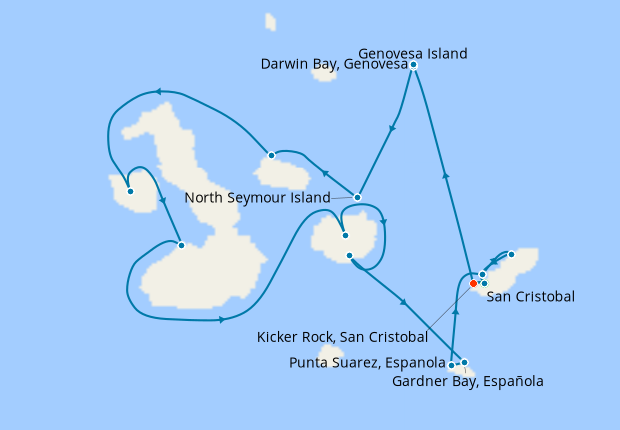
Kicker Rock, San Cristobal
Darwin Bay, Genovesa
Genovesa Island
North Seymour Island
Bahia Sullivan, Santiago
Mangle Point, Ferdandina
Punta Moreno, Isabela Island
Santa Cruz Island
Puerto Ayora, Santa Cruz
Gardner Bay, Española
Punta Suarez, Espanola
Isla Lobos, San Cristobal
Cerro Brujo, San Cristobal
Hammerhead Sightings
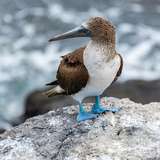
See the Blue-Footed Booby Dance
Observe Unique Wildlife
Hike the Pahoehoe Lava
Highlands Tortoise Reserves
Puerto Ayora Fish Market
Spot a Mockingbird
Marvel at the Blowhole
Spot Nesting Seabirds
Lounge with Sea Lions
Snorkeling & Diving
Wildlife Photography & Birdwatching
Hiking the Darwin Trail
Panga Rides
Prince Philip’s Steps (El Barranco)
Darwin Bay Trail
Spot Land Iguanas
Walk the Sea Lion Coast
The Field of Fire
Marine Life
Snorkel the Mangrove Roots
Take a Panga Ride
Flamingo Spotting
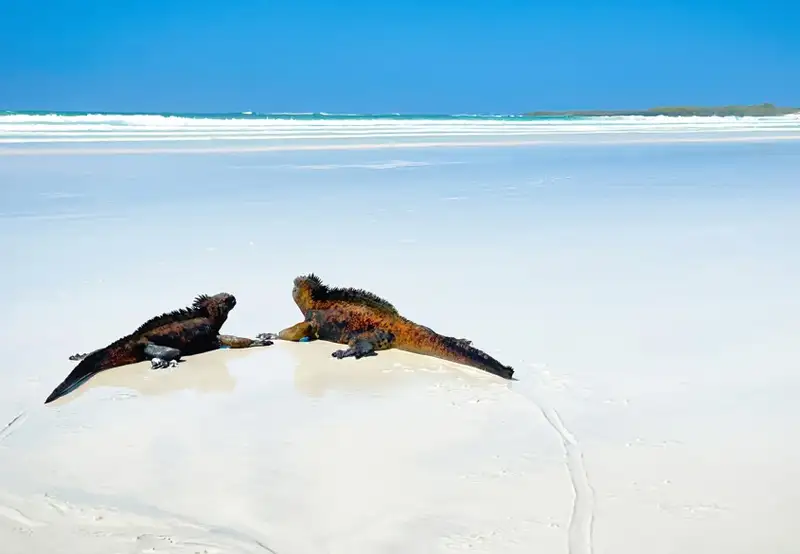
Observe Marine Iguanas
Charles Darwin Research Station
Tortuga Bay
Giant Tortoise
Charles Darwin Research Station
Snorkel at Turtle Rock
Lounge with Sea Lions
Hike the Rugged Coastline
See "Christmas" Marine Iguanas
Snorkel with Sea Lions
Walk the Nature Trail
Walk in Darwin's Footsteps
Snorkelling in Turquoise Waters
Silver Origin
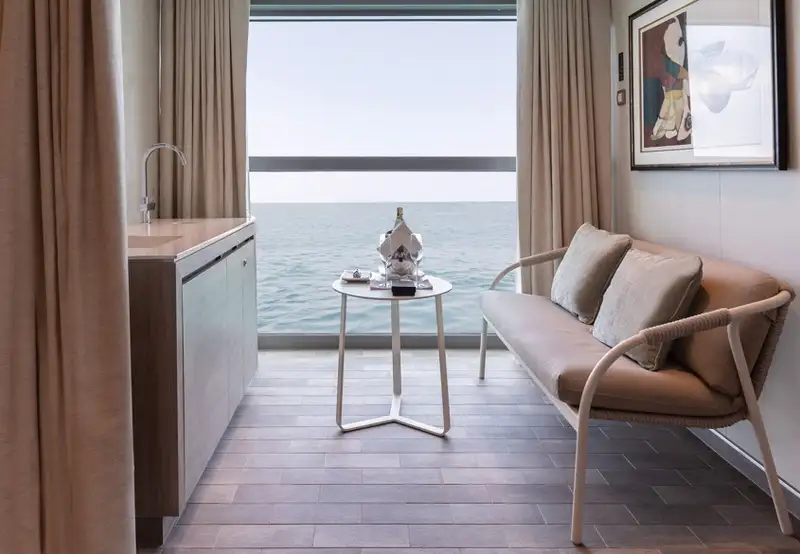
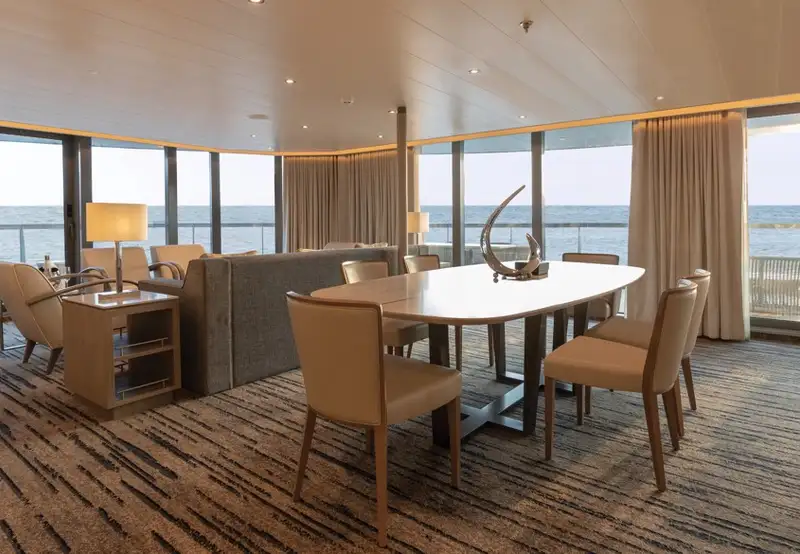
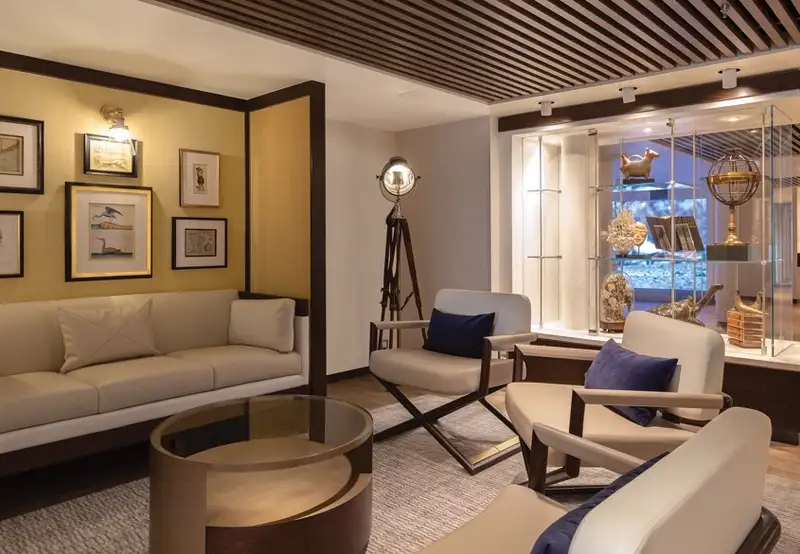
Suite Living Space
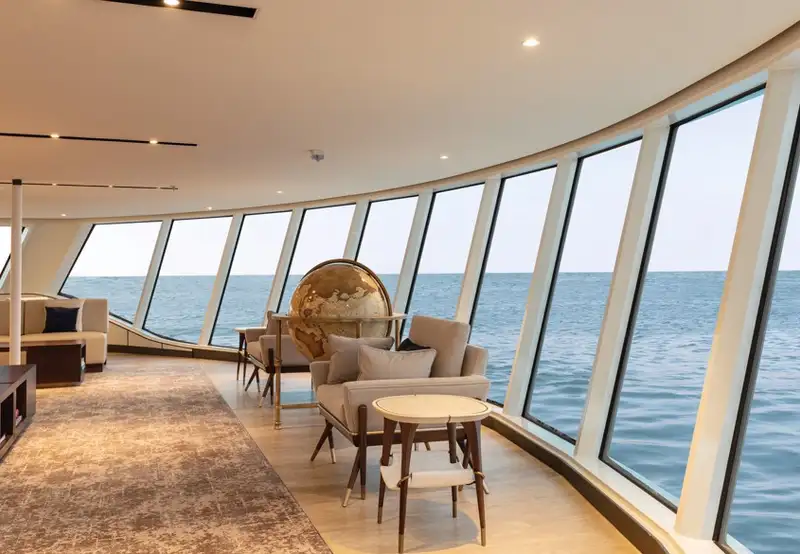
Observation Lounge
Silver Origin
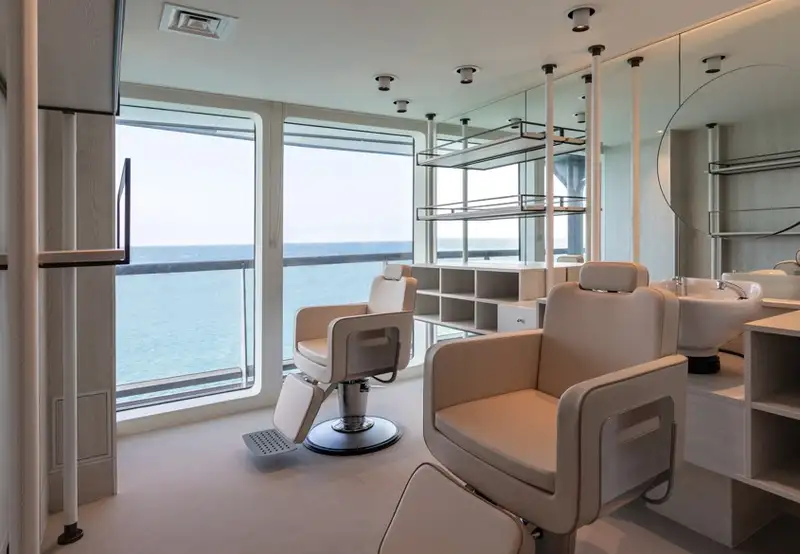
Salon
Base Camp
Base Camp
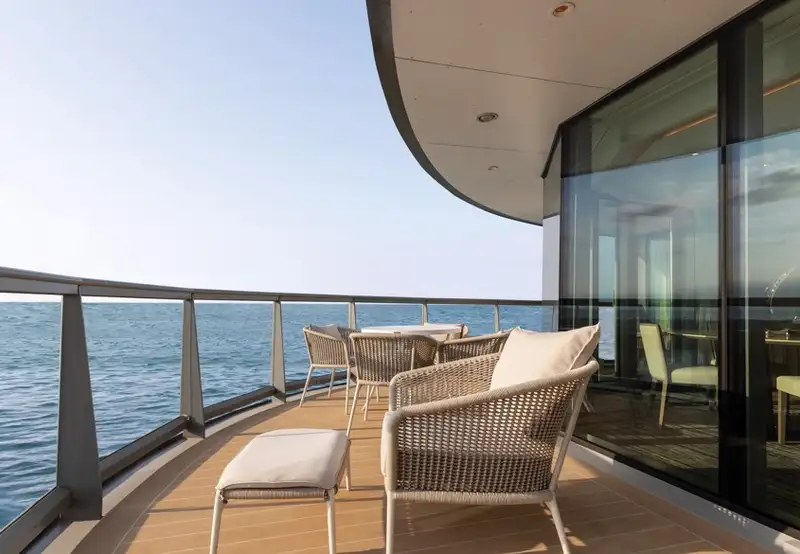
Suite Balcony
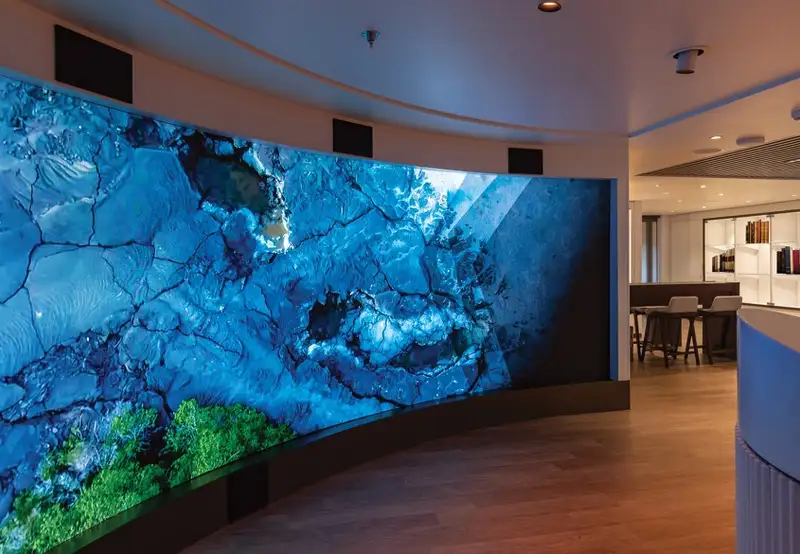
Explorer Lounge
Explorer Lounge
Silver Suite
The Grill
Medallion Suite
The Restaurant
Marina
San Cristobal
DAY 1
27 Mar 2027
Time at Port: from 6:30 AM to 4:30 PM
Our experts are preparing detailed information about this location. Please check back shortly to discover more.
Kicker Rock, San Cristobal
DAY 1
27 Mar 2027
Time at Port: from 5:15 PM to 6:30 PM
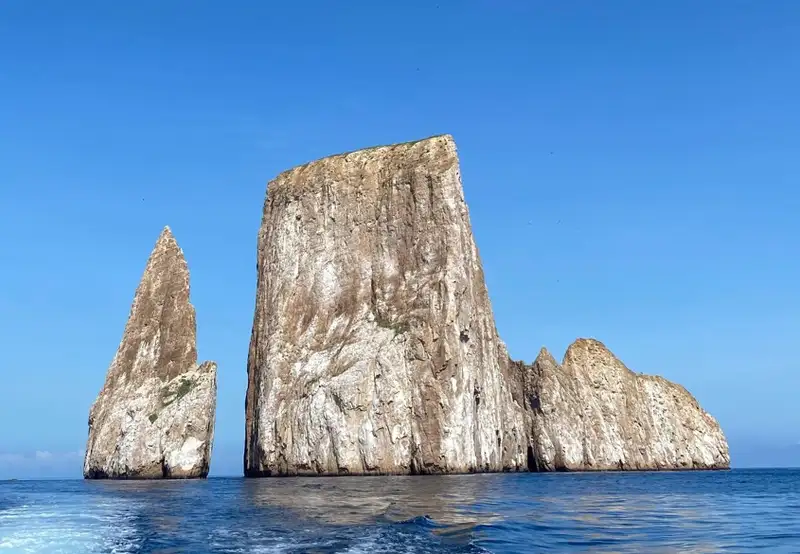
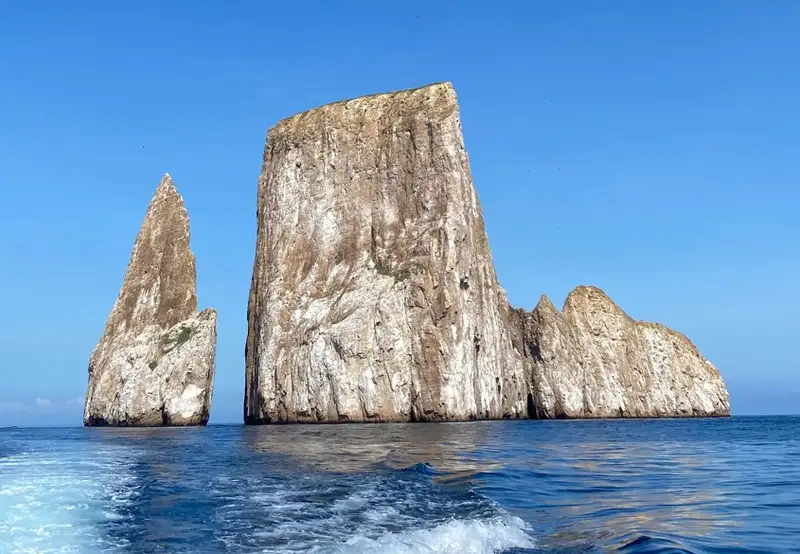
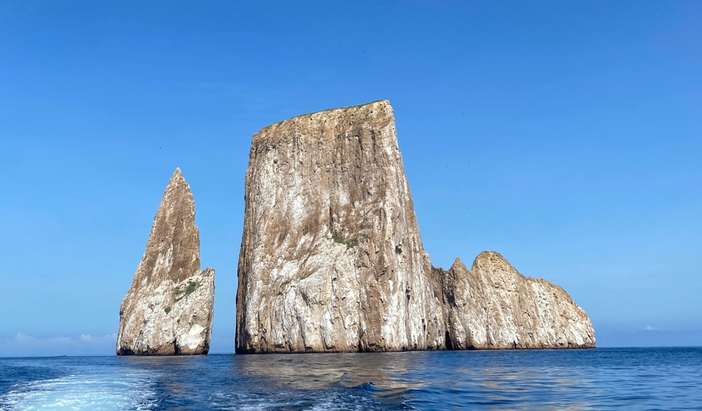
Kicker Rock in San Cristobal is a breathtaking, iconic 148-meter-tall volcanic tuff cone remnant that rises from the ocean, with a 60-foot-deep passage between towering volcanic walls. It is a top Galapagos snorkelling and diving destination famed for vertical walls, fast sea currents, and sightings of hammerhead sharks, Galapagos sharks, eagle rays, and sea lions.
Things to do in Kicker Rock, San Cristobal:
Snorkeling & Diving
Explore the deep canal between the rock walls, which is frequently teeming with schooling hammerhead sharks, Galapagos sharks, sea turtles, eagle rays, and colourful tropical fish.
Wildlife Photography & Birdwatching
Capture photographs of the beautiful 140-meter-tall volcanic tuff cone, which is a nesting location for Blue-footed boobies, Nazca boobies, and Magnificent frigate birds.
Darwin Bay, Genovesa
DAY 2
28 Mar 2027
Time at Port: from 12 AM to 11 PM
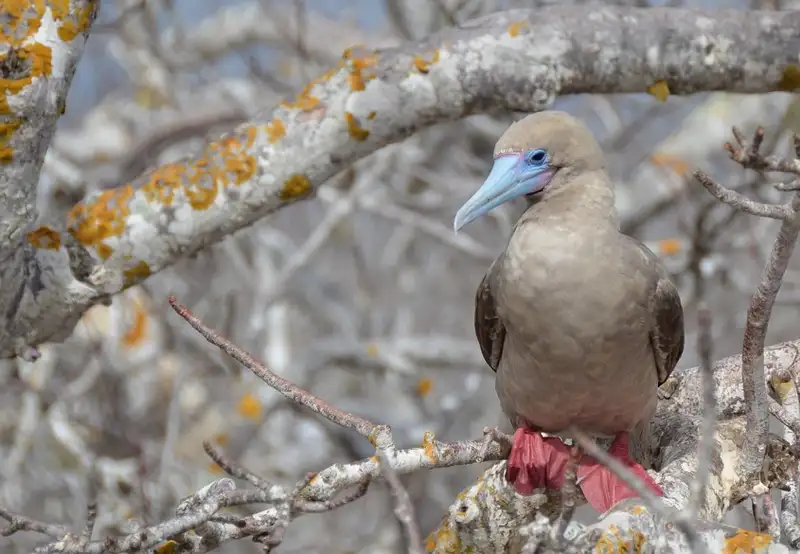
Darwin Bay is a highlight of the Galápagos because it feels like stepping into a prehistoric world. As you wander the coral paths, you are surrounded by a constant flurry of activity; Great Frigatebirds puff out their crimson chests to attract mates while red footed boobies balance precariously on the branches of salt-tolerant bushes. The bay’s vertical cliff walls provide a dramatic backdrop for the "wet landing," where the tide often brings Galápagos sea lions right up to your feet on the beach. Because the island is so isolated and free of land predators, the animals are exceptionally tame, offering a rare, intimate look at one of the most pristine ecosystems left on the planet.
Things to do in Darwin Bay, Genovesa:
Hiking the Darwin Trail
Hiking the Darwin Trail on Genovesa Island is a low difficulty trek that begins with a wet landing on a beautiful white coral beach. The 1.5-kilometre out and back path winds through mangrove thickets and Palo Santo forests, where you can observe nesting red-footed boobies and great frigatebirds at eye level. As the trail transitions to volcanic rock, it passes tidal pools frequently visited by playful sea lions and unique marine iguanas, which are the smallest in the archipelago. The hike concludes at a dramatic cliff top viewpoint overlooking the flooded caldera, providing a stunning perspective of the island's ancient volcanic origins.
Panga Rides
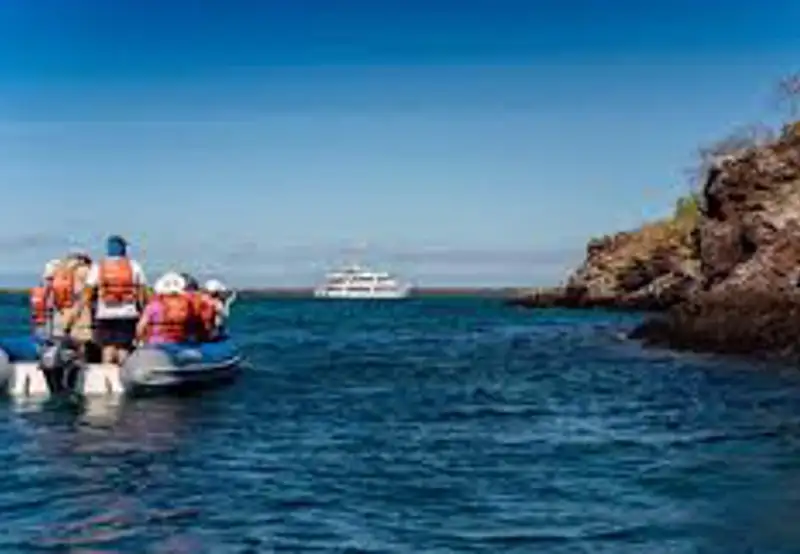
A panga ride is the perfect way to explore the rugged perimeter of Darwin Bay where the land meets the sea. These excursions allow you to glide right alongside the towering volcanic cliffs to spot Galápagos fur seals tucked into shady rock crevices and Red-billed Tropicbirds nesting in the high ledges. Without even getting wet, you can watch schools of golden rays or sea turtles through the clear surface, making it an excellent alternative for those who prefer to stay out of the water.
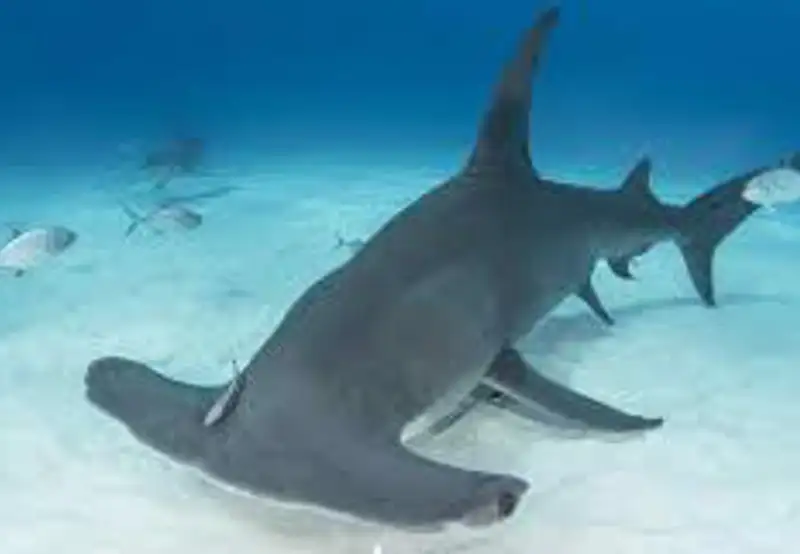
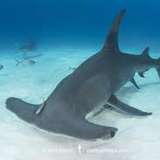
Hammerhead Sightings
Seeing a hammerhead shark in Darwin Bay is a lucky and unforgettable experience. While they usually prefer the deeper ocean, these sharks often wander into the bay's calm, nutrient rich waters to feed along the underwater cliffs. Your best chance to spot them is while snorkelling during the cooler months (June to November), when cold currents bring more marine life into the caldera.
Genovesa Island
DAY 2
28 Mar 2027
Time at Port: from 5:30 AM to 5:30 AM
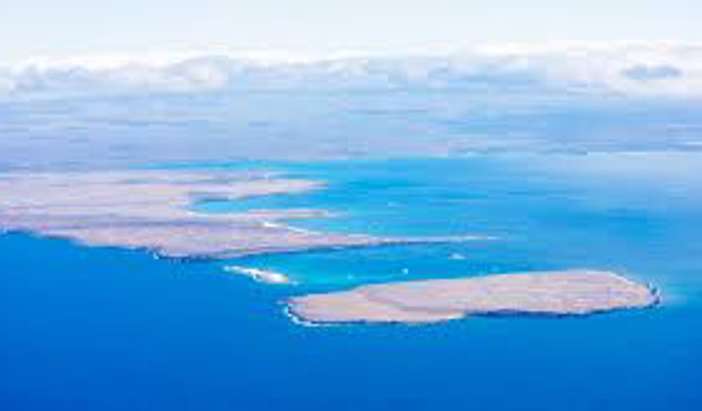
Genovesa Island, sometimes known as "Bird Island" or "Tower Island," is a remote, horseshoe-shaped volcanic crater in northeastern Galapagos. It is a top birdwatching site, including the world's largest colony of red-footed boobies (more than 140,000 pairs), great frigatebirds, and rarely seen short-eared owls. Visitors get spectacular, fearless wildlife encounters in a barren terrain.
Things to do in Genovesa Island:
Prince Philip’s Steps (El Barranco)
Philip's Steps (El Barranco) on Genovesa Island is widely regarded as a bird lover's heaven, offering an intense, intimate, and often overpowering animal encounter. A difficult climb dug right into the volcanic rock rewards tourists with access to one of the Galapagos' most densely inhabited and undisturbed seabird nesting places. A railing is provided despite the steepness. It is considered a moderate walk, but demands good balance and mobility.
Darwin Bay Trail
Darwin Bay Trail on Genovesa Island offers an intimate, high-density, and "magical" birdwatching experience, with tourists walking within inches of breeding boobies, frigatebirds, and unique gulls. The short, reasonably flat trail begins with a wet landing on a white-coral beach before continuing through mangrove forests and rugged volcanic terrain rich with friendly species and affording magnificent views of the submerged volcanic crater.
North Seymour Island
DAY 3
29 Mar 2027
Time at Port: from 4:15 AM to 12:30 PM
North Seymour Island is one of the most active wildlife sites in the Galapagos, famous for its massive nesting colonies of blue-footed boobies and magnificent frigatebirds. As you walk the flat, rocky trails, you can witness iconic courtship displays, such as boobies performing their "mating dance" or male frigatebirds inflating their giant red throat pouches to attract mates. The island’s coastline is also teeming with life, featuring playful sea lions lounging on the rocks and large land iguanas wandering through the silver-grey Palo Santo trees and low-growing saltbush.
Things to do in North Seymour Island:
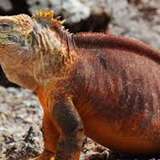
Spot Land Iguanas
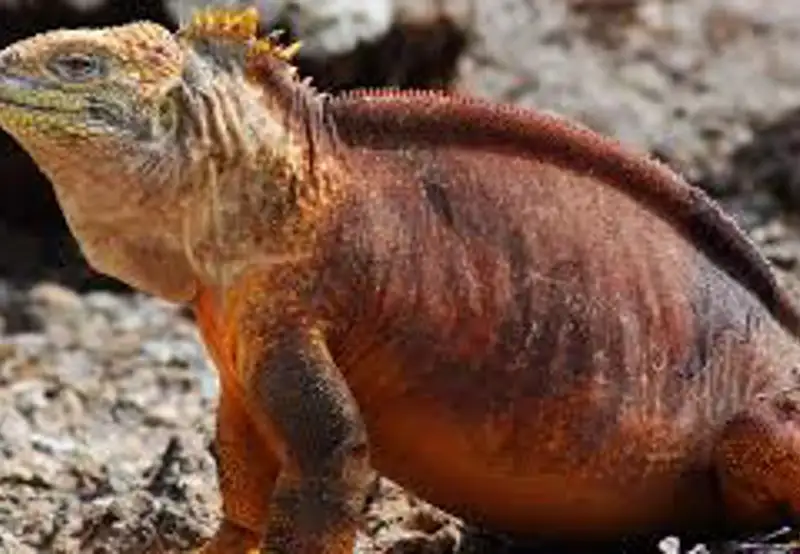
Spotting land iguanas on North Seymour is a unique experience, as these large, prehistoric-looking reptiles are often found lounging directly on the trails. You can observe them resting in the shade of Palo Santo trees or feeding on prickly pear cactus pads, which provide both food and hydration in the arid environment. Their bright yellow and orange scales stand out against the grey volcanic rock, making them a favorite subject for photographers looking to capture the "dragon-like" residents of the islands.
Walk the Sea Lion Coast
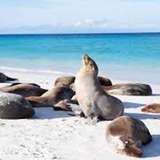
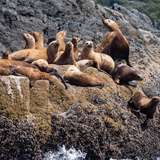
Walking the sea lion coast on North Seymour offers a front-row seat to a bustling nursery of playful pups and sunbathing adults. As you navigate the rocky shoreline, you’ll hear the loud barks of the "beach masters"—large dominant males—guarding their harems while young sea lions frolic in the shallow tide pools. Because they are naturally curious and have no predators on land, they often lounge right on the path, allowing you to observe their social interactions and "napping" habits from just a few feet away.
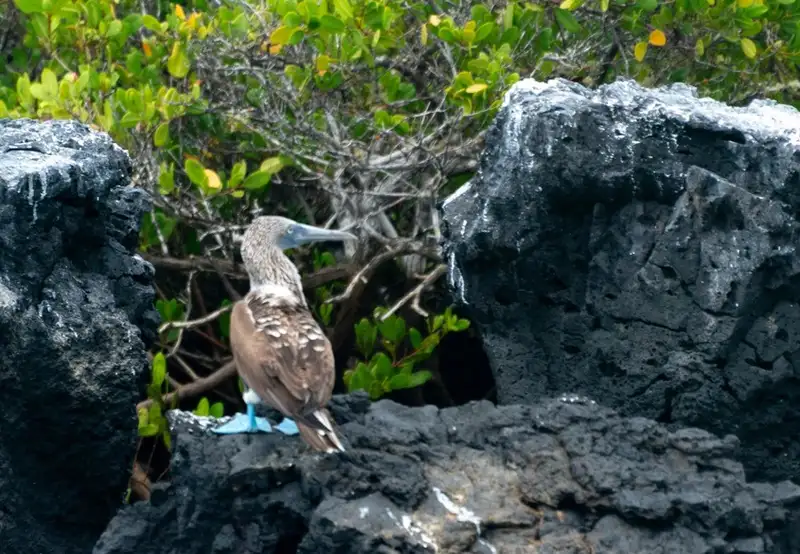
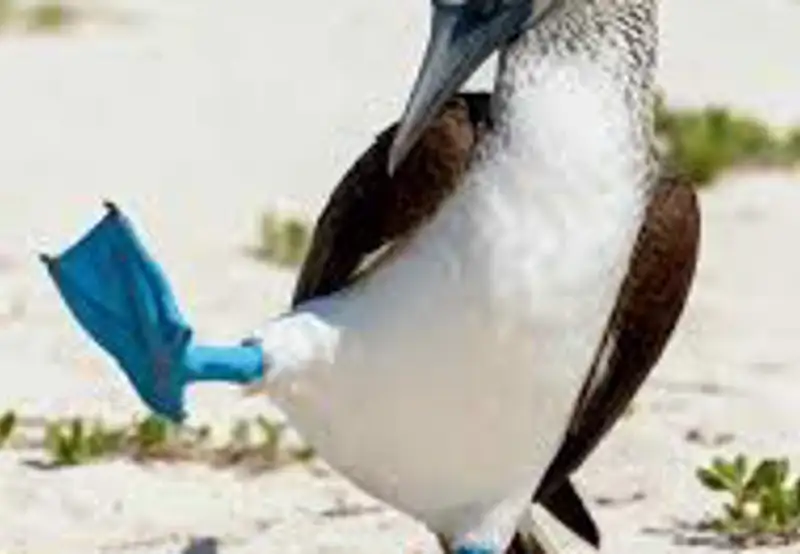
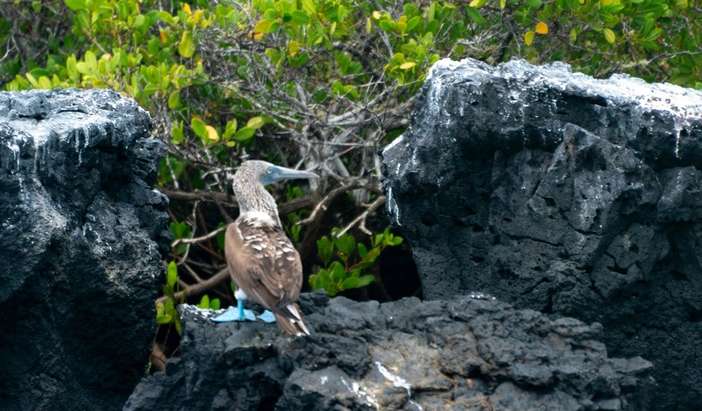
See the Blue-Footed Booby Dance
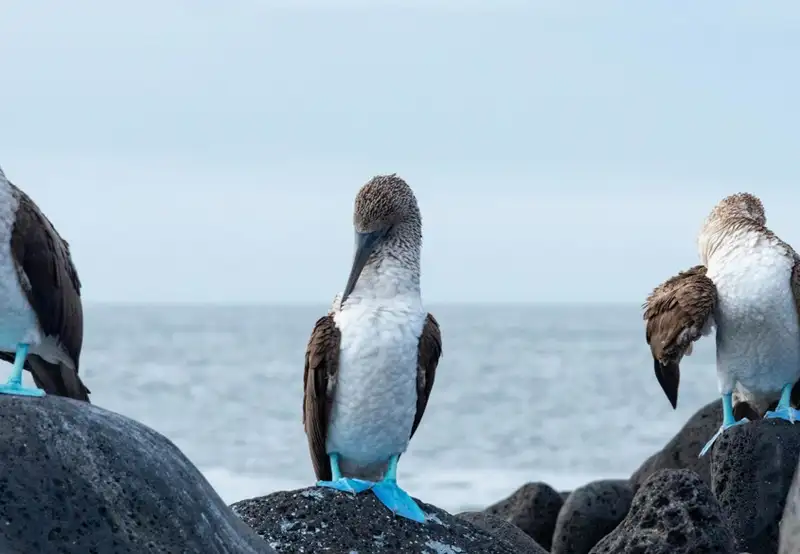
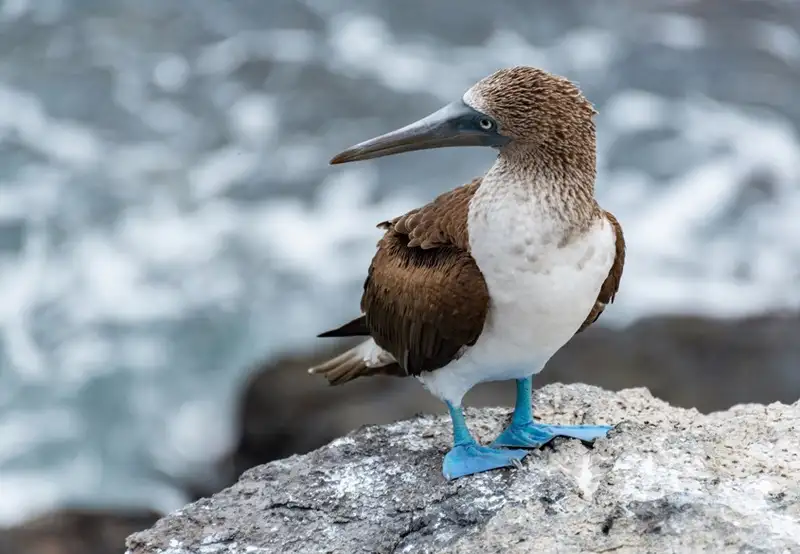
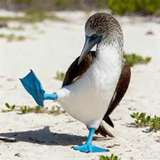
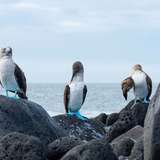
Watching blue-footed boobies is a must-do in the Galapagos because they are incredibly friendly and nest right next to the trails. You can see them dive into the ocean at high speeds to hunt or watch their famous mating dance, where they show off their bright blue feet by stepping high. They are very funny to observe, especially when they are "skypointing" or guarding their fluffy chicks.
Bahia Sullivan, Santiago
DAY 3
29 Mar 2027
Time at Port: from 2:30 PM to 6 PM
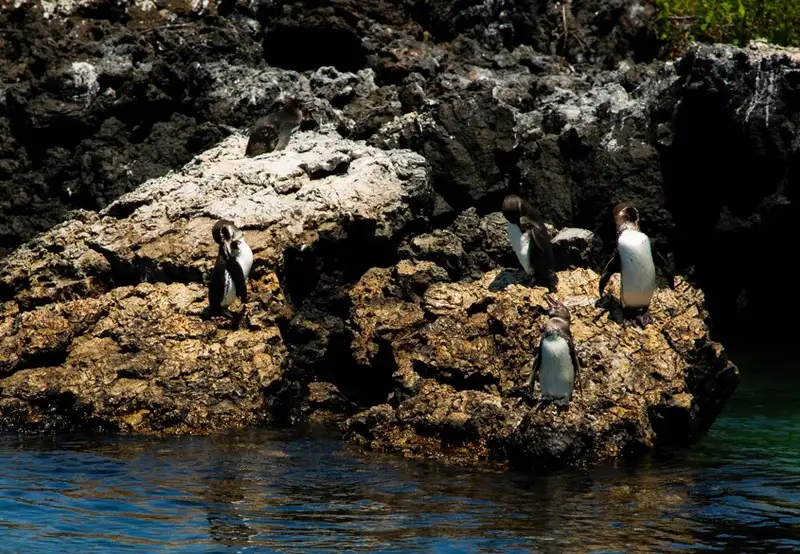
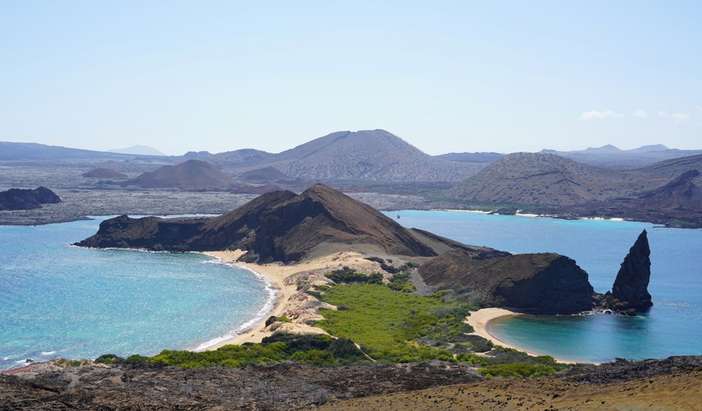
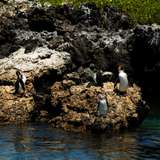
Bahía Sullivan (Sullivan Bay) on Santiago Island in the Galapagos is a spectacular, lunar-like landscape marked by massive, hardened lava fields from the 19th century. Visitors can stroll through amazing, rope-like pahoehoe lava formations, swim with sea lions and snorkel with turtles and reef sharks in crystal-clear waters. Spot lava lizards, small pioneer plants, and occasionally Galapagos penguins in the ocean.
Things to do in Bahia Sullivan, Santiago:
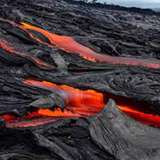
The Field of Fire
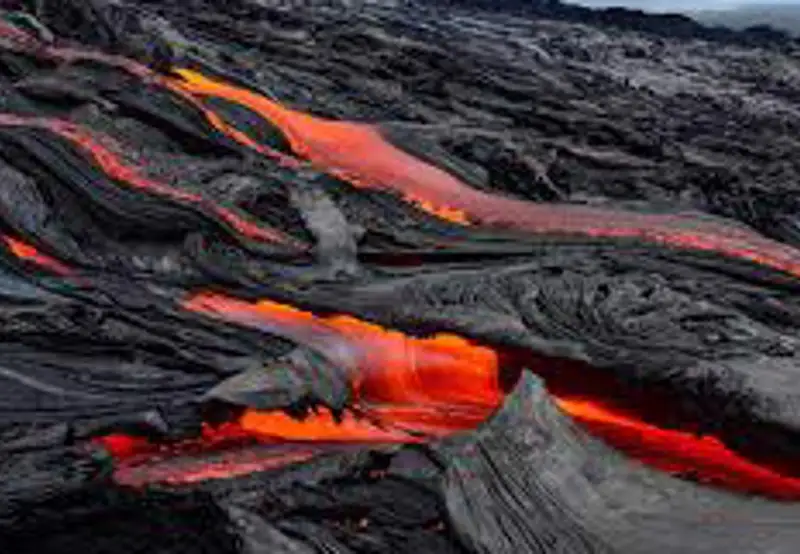
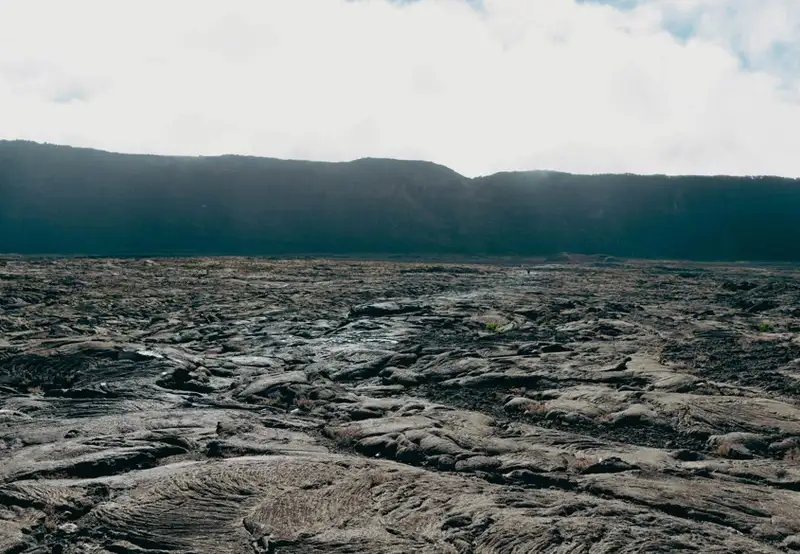
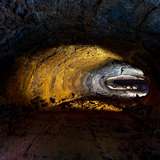
The major attraction is a 1.5-kilometer route (approx. 1 hour 30 min) that follows a flow from around 1897. The surface is mostly Pahoehoe lava, which is uncommon outside of Hawaii and the Galapagos and has smooth, ropy, and swirling patterns. The ground is a complicated, hardened landscape of lava swirls, twisted ropes, massive blobs, and jagged, shattered mounds that represent different rates of flow and cooling. You'll notice little, miniature volcano-like formations known as "hornitos" (little ovens), which formed when gases escaped from the cooling, bubbling lava. The ground is relatively flat, but demands careful stepping.
Marine Life
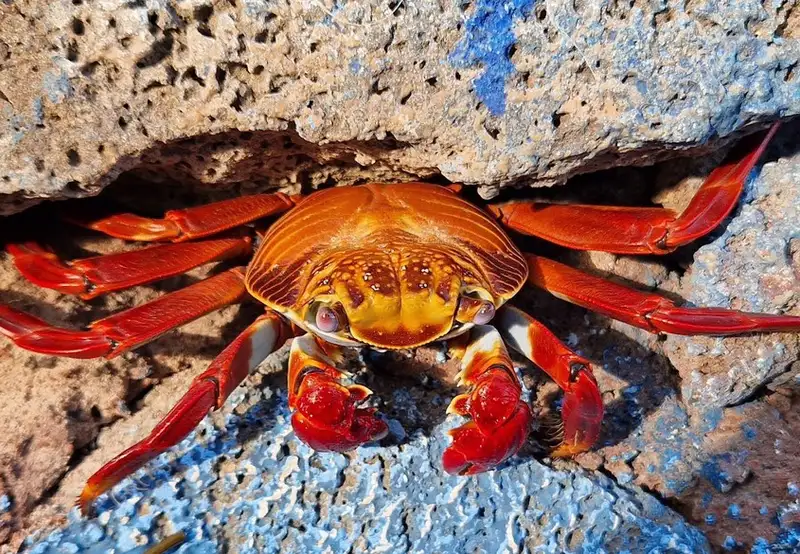
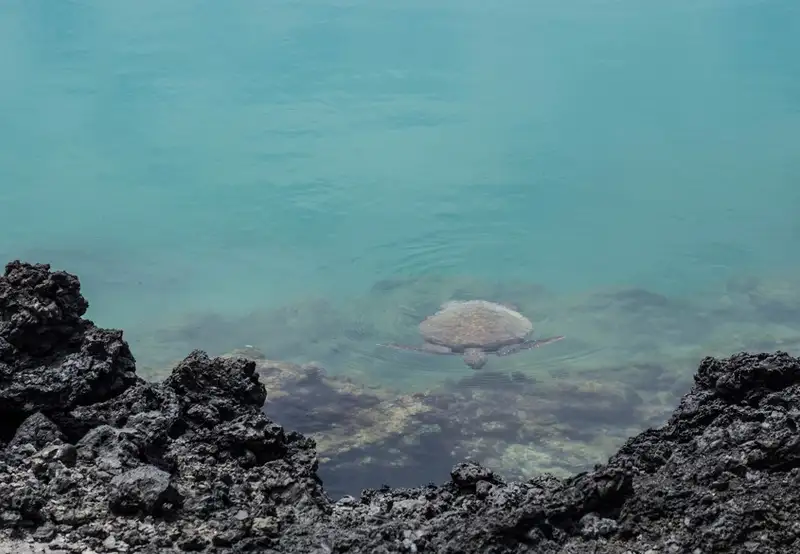
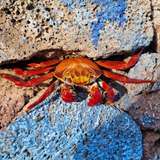
The location is famed for its beautiful, tranquil, turquoise water, which makes it ideal for seeing marine life in rocky crevices, frequently referred to as an underwater garden. Snorkelers often see green sea turtles, white-tip reef sharks, marine iguanas feeding underwater, and a variety of tropical species. It is typical to observe Galapagos penguins dashing around and playful sea lions, also known as "underwater puppies". At low tide, the rocky shorelines are alive with sea urchins, octopuses, and Sally Lightfoot crabs.
Mangle Point, Ferdandina
DAY 4
30 Mar 2027
Time at Port: from 6:45 AM to 12 PM
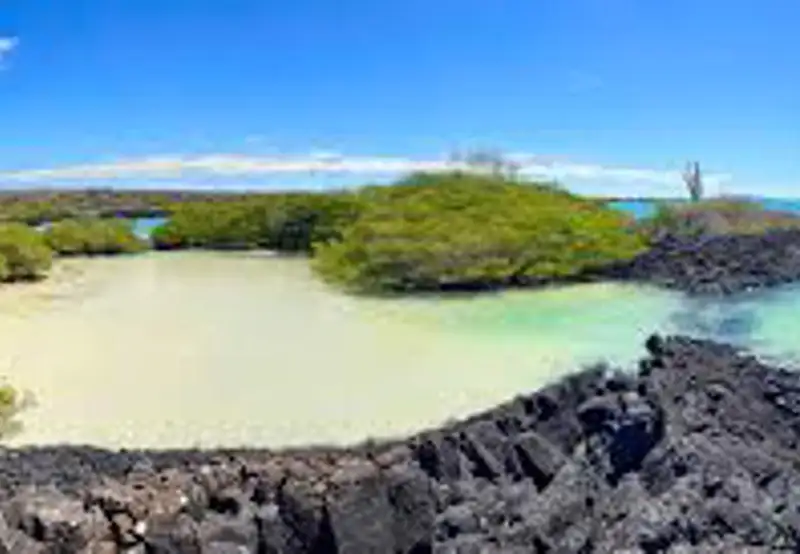
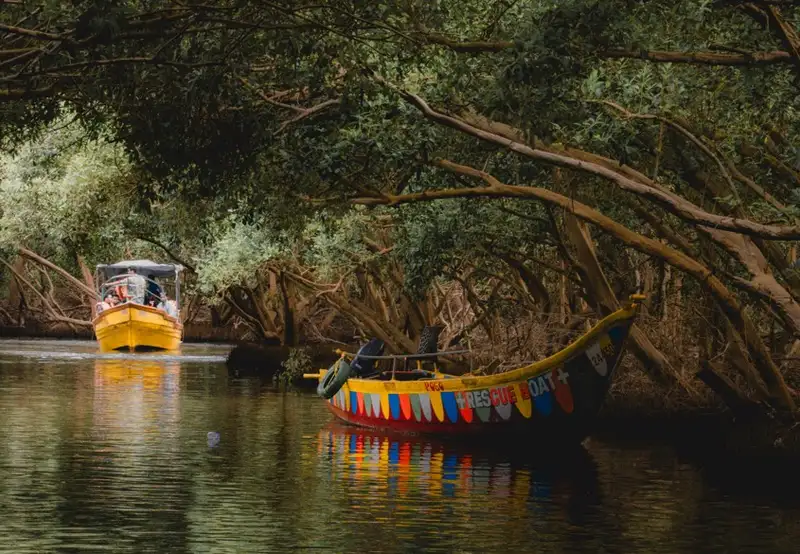
Mangle Point is a quiet, natural inlet on the east coast of Fernandina Island. It is known for its thick mangrove forests and dark volcanic scenery. Since there are no places to go ashore, the land stays completely untouched and pristine. This makes it a perfect spot to observe marine life and birds from the water.
Things to do in Mangle Point, Ferdandina:
Snorkel the Mangrove Roots
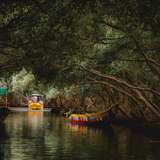
You can swim through the calm waters to see sea turtles and rays resting among the underwater mangrove roots. It is also a great place to spot marine iguanas and Galapagos penguins diving for food.
Take a Panga Ride
Since you cannot walk on the island, a small boat tour allows you to get very close to the shoreline. From the boat, you can easily see flightless cormorants, pelicans, and herons nesting in the trees.
Observe Unique Wildlife
This site is one of the best places to watch the rare flightless cormorant in its natural habitat. You can also watch sea lions playing in the shallows while Darwin’s finches fly between the red and black mangroves.
Punta Moreno, Isabela Island
DAY 4
30 Mar 2027
Time at Port: from 2:30 PM to 6 PM
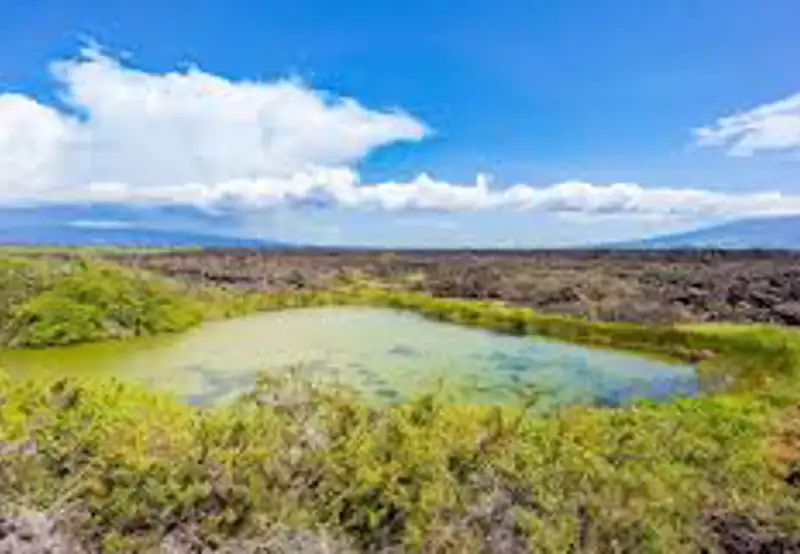
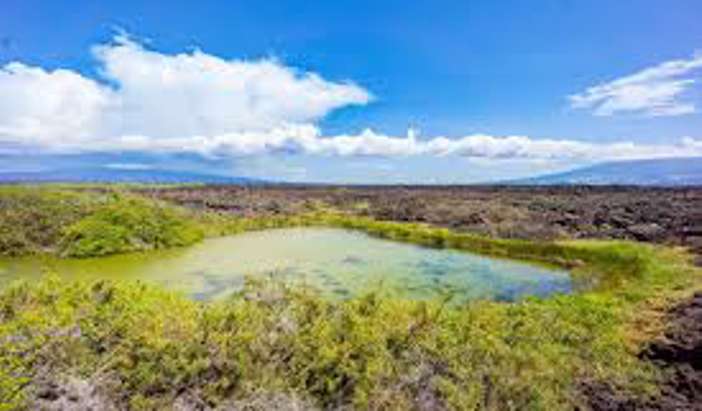
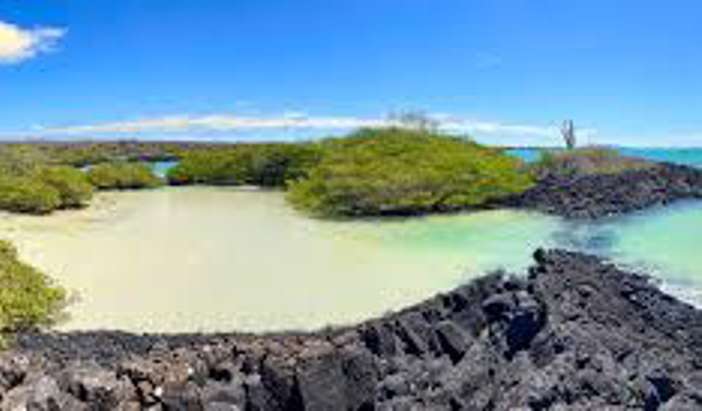
Punta Moreno, located on the rugged southwest coast of Isabela Island, is a stark landscape of black Pahoehoe lava flows dotted with vibrant green oases. A walk across the jagged volcanic fields leads you to hidden brackish lagoons that serve as a sanctuary for bright pink flamingos, pintail ducks, and common gallinules. The coastline is equally impressive, offering views of the massive Cerro Azul and Sierra Negra volcanoes while providing a home to flightless cormorants, blue-footed boobies, and large colonies of marine iguanas.
Things to do in Punta Moreno, Isabela Island:
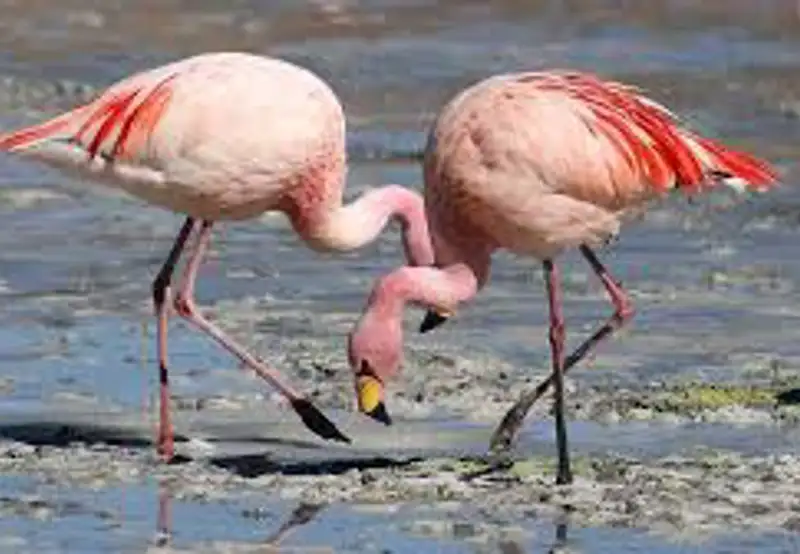
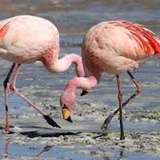
Flamingo Spotting
Flamingo spotting at Punta Moreno is special because you find bright pink birds living in hidden green pools surrounded by black lava. You can watch them wade through the water on long legs, using their beaks to filter for food. The sight of vibrant pink flamingos against the dark volcanic rock is one of the most beautiful views in the islands.
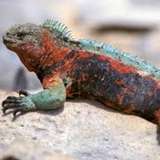
Observe Marine Iguanas
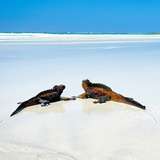
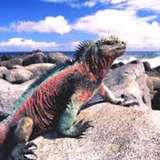
At Punta Moreno, you can see large groups of marine iguanas sunbathing on the black rocks to stay warm. These "mini-dragons" are the only lizards in the world that swim in the ocean to eat. You will likely hear them "sneezing" salt out of their noses, which is how they clean their bodies after swimming in the salty sea.
Hike the Pahoehoe Lava
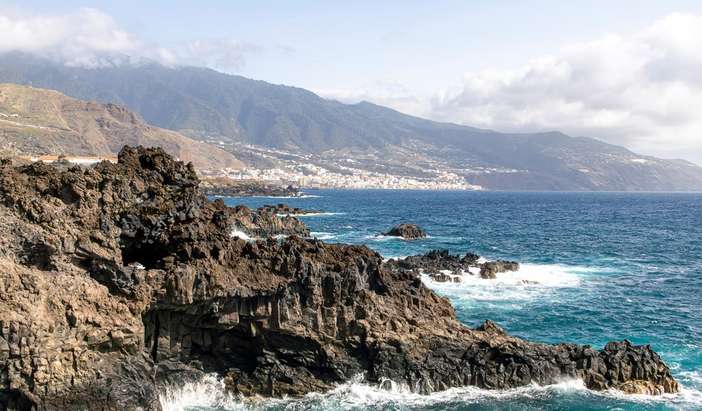
The Pahoehoe lava hike at Punta Moreno is a walk across a surreal, moon-like landscape of hardened volcanic flows. This "ropey" lava creates smooth, swirling patterns and deep cracks that showcase the raw power of Isabela Island’s active volcanoes. As you trek over the crunchy black surface, you’ll discover vibrant green "oases" of mangroves and lagoons hidden within the rock, creating a stunning contrast between the desolate volcanic field and the life thriving inside it.
Santa Cruz Island
DAY 5
31 Mar 2027
Time at Port: from 5:30 AM to 11 AM
Santa Cruz Island is the busy, central core of the Galapagos Archipelago, providing an ideal balance of accessible wildlife, magnificent white-sand beaches, and urban comfort. The most populous island, with the town of Puerto Ayora, serves as the principal hub for land-based travellers, with hotels, restaurants, and easy access to day tours.
Things to do in Santa Cruz Island:
Charles Darwin Research Station
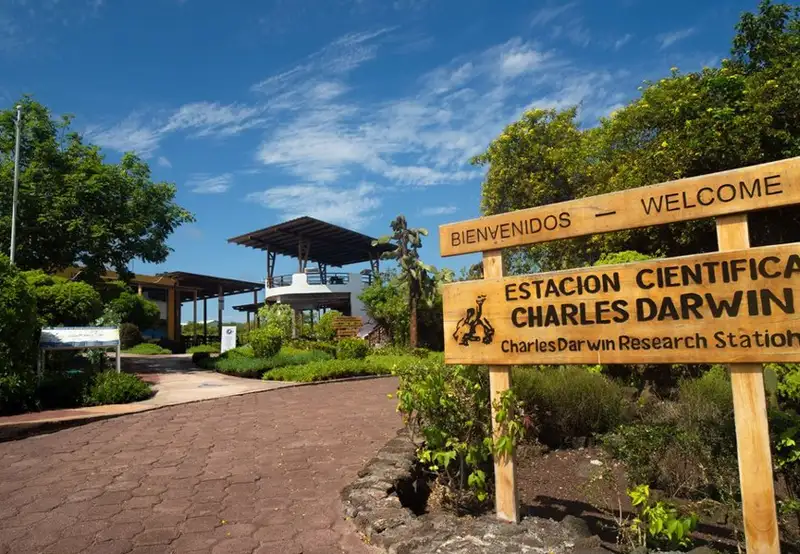
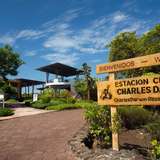
The Charles Darwin Research Station (CDRS) in Puerto Ayora, Santa Cruz Island, is a fascinating educational destination where visitors can observe giant tortoise breeding programs, learn about Galapagos conservation, and explore arid, cactus-filled grounds. It serves as a working scientific center, providing visitors with a look into tortoise rehabilitation, history (Lonesome George), and indigenous animals.
Tortuga Bay
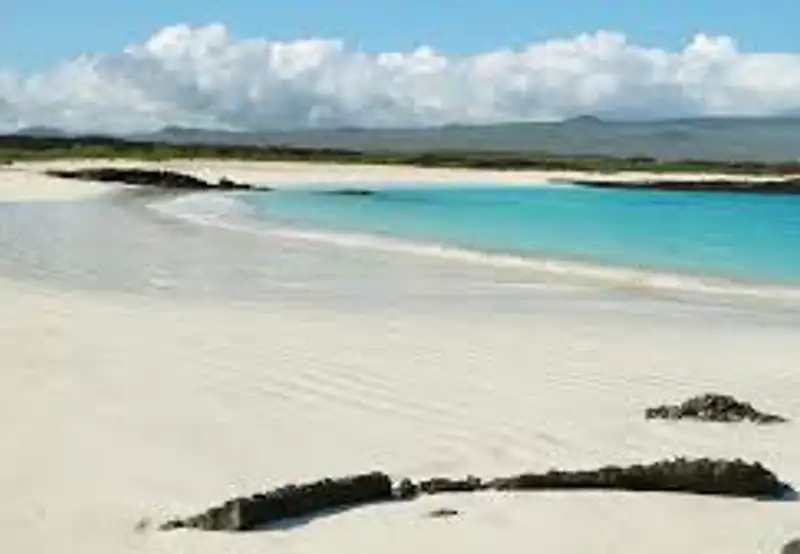
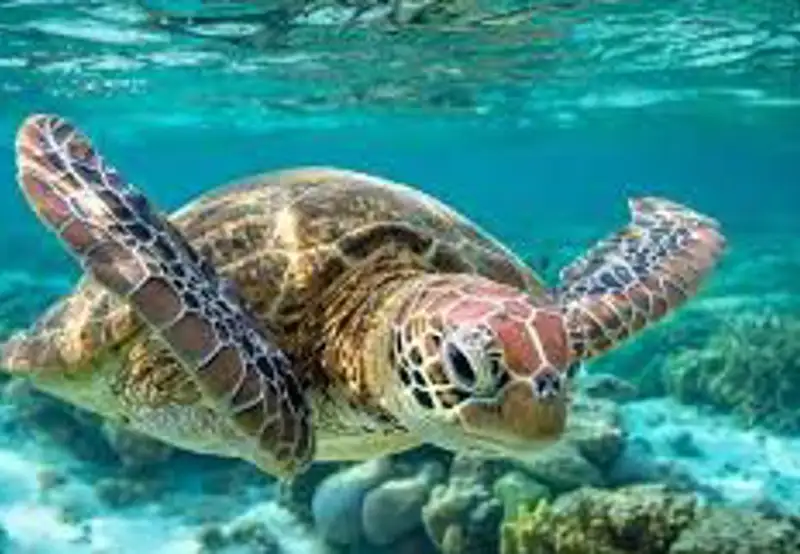
Tortuga Bay is a magnificent, pure white-sand beach famed for its turquoise seas, dense population of marine iguanas, and nesting sea turtles. It provides a tranquil natural setting with two main areas: a rugged beach for surfing (Playa Brava) and a peaceful, sheltered cove ideal for swimming and kayaking (Playa Mansa). The beach is accessible via a 2.5-kilometer (about 45-minute) paved route from Puerto Ayora. You must check in at a checkpoint, and the path is frequently hiked in the early morning. It is a protected spot with no services, so bring water, food, and sunscreen.
Highlands Tortoise Reserves
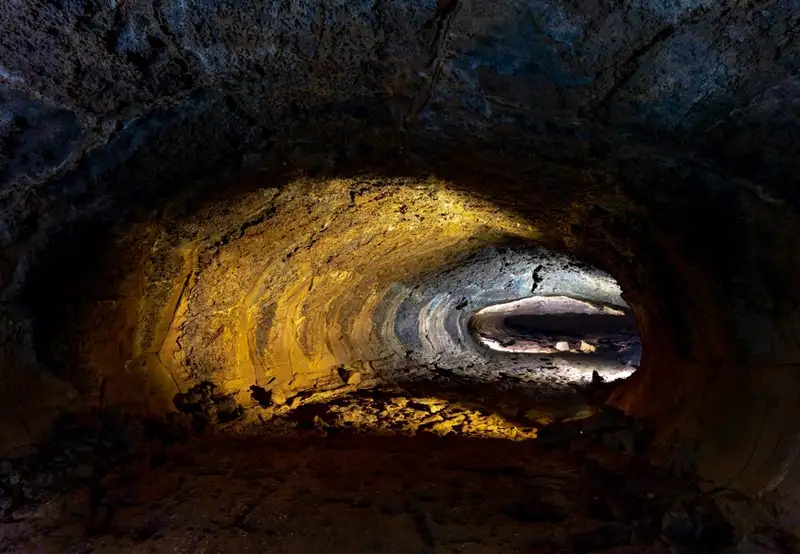
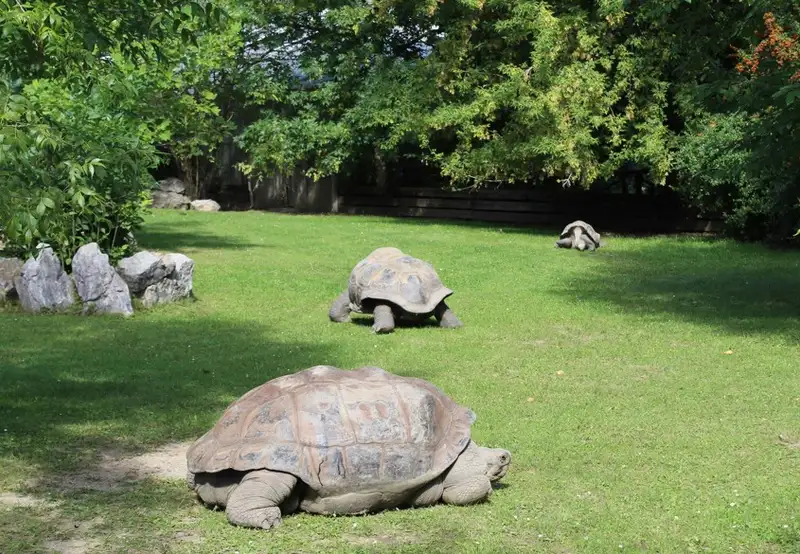
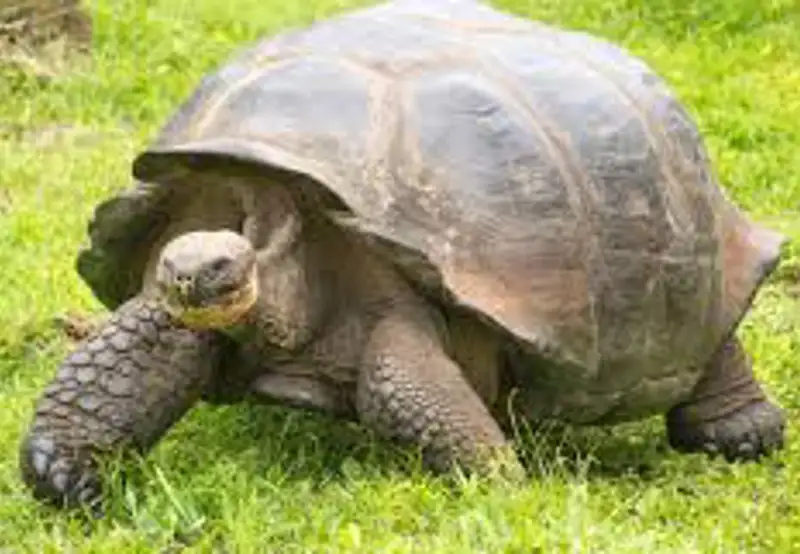
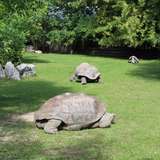
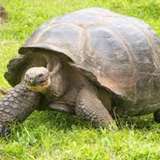
El Chato Tortoise Reserve in the Santa Cruz highlands is a 12-hectare private reserve teeming with enormous Galapagos tortoises that walk freely. It provides a personal, self-guided experience of strolling among wild tortoises, exploring natural lava tunnels, and viewing highland bird species such as Darwin's finches.
Puerto Ayora, Santa Cruz
DAY 5
31 Mar 2027
Time at Port: from 12:30 PM to 10:30 PM
Puerto Ayora is the lively main hub of the Galápagos Islands. It’s a walkable coastal town where you’ll see marine iguanas on the pavement and sea lions lounging at the local fish market. From here, you can walk to the white sands of Tortuga Bay, visit giant tortoises at the Charles Darwin Research Station, or take a quick boat ride to snorkel in the clear waters of Las Grietas. It’s the perfect base for exploring the islands, filled with small cafes, shops, and adventure.
Things to do in Puerto Ayora, Santa Cruz:
Giant Tortoise
The giant tortoise reserves in the Santa Cruz highlands are a must-see, offering a rare chance to walk among these prehistoric giants in their natural, misty habitat. Most visits also include a walk through massive, naturally formed lava tunnels located right on the property. It’s a muddy, magical experience where you can witness the quiet, slow-motion life of the islands' most iconic residents up close.
Charles Darwin Research Station
The Charles Darwin Research Station is a cornerstone of Galápagos conservation, where science and education meet to protect the archipelago's fragile ecosystems. Walking through its trails, you can witness the incredible recovery of giant tortoise populations, from tiny, vulnerable hatchlings to massive adults ready for release. It’s a place that honours the legacy of Lonesome George while actively working to ensure that the "Enchanted Isles" remain a living laboratory for generations to come.
Puerto Ayora Fish Market
The Puerto Ayora Fish Market is a lively, open-air spectacle where the daily catch meets the local wildlife. As fishermen clean fresh tuna and lobster along the waterfront, they are famously crowded by bold sea lions and patient pelicans hoping for a stray scrap. It’s one of the few places on earth where you can stand inches away from wild animals as they integrated themselves into the town’s morning routine, making it a perfect spot for photography and a true taste of Galápagos life.
Gardner Bay, Española
DAY 6
01 Apr 2027
Time at Port: from 3:30 AM to 1 PM
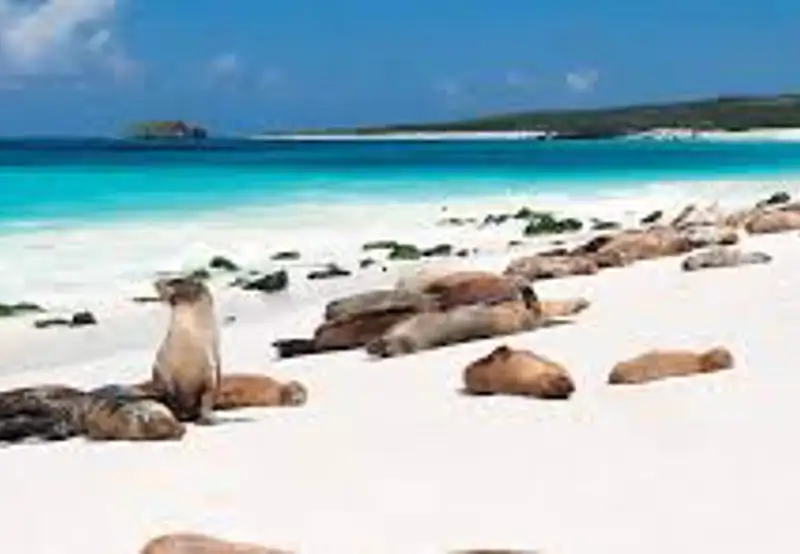
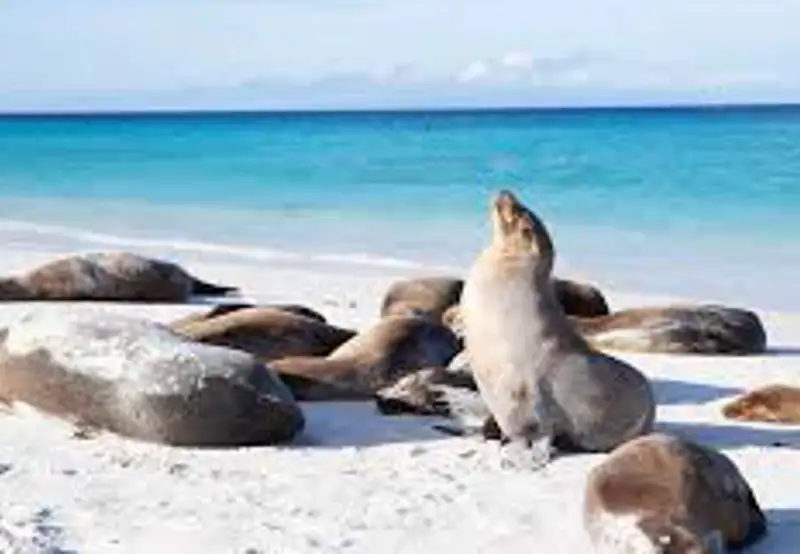
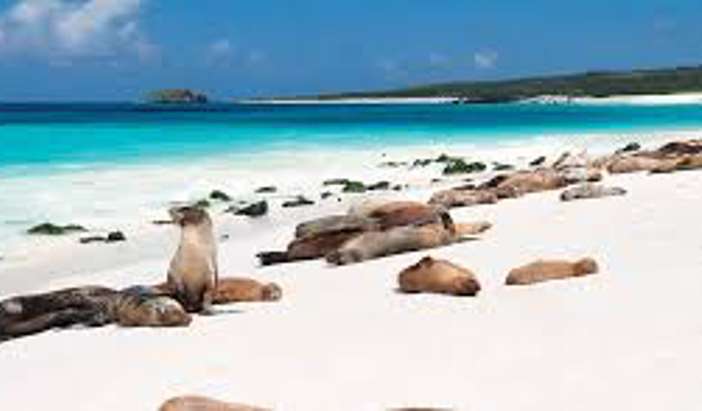
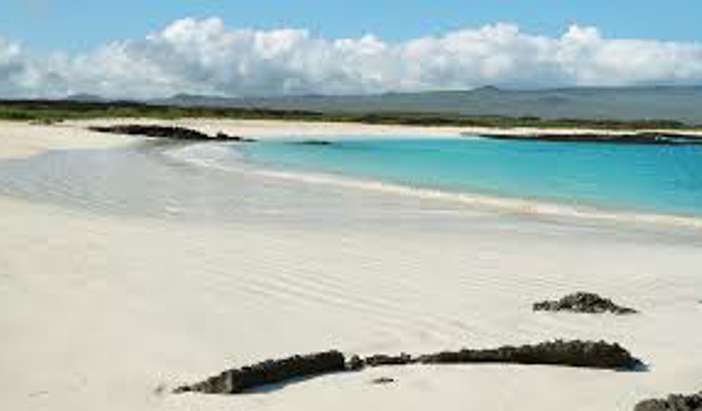
Gardner Bay is a breathtaking, white-sand paradise on Española Island, famous for the hundreds of sea lions that nap along its 1.3km shoreline. The sand is incredibly soft and bright, contrasting with the brilliant turquoise water where you can snorkel with sea turtles, rays, and playful pups. Beyond the marine life, you’ll meet curious Española Mockingbirds that often hop right up to visitors. It is a peaceful, wild beach that feels like a sun-drenched sanctuary in the heart of the Galápagos.
Things to do in Gardner Bay, Española:
Snorkel at Turtle Rock
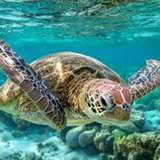
Snorkel at Turtle Rock is a highlight of Gardner Bay, where a semi-submerged volcanic cone creates a bustling underwater playground. In the clear, turquoise water, you can drift alongside whitetip reef sharks resting on the sandy floor and sea turtles gliding through the currents. Playful sea lion pups often dive in to spin and twirl around snorkelers, making it one of the most exciting and interactive marine encounters in the Galápagos.
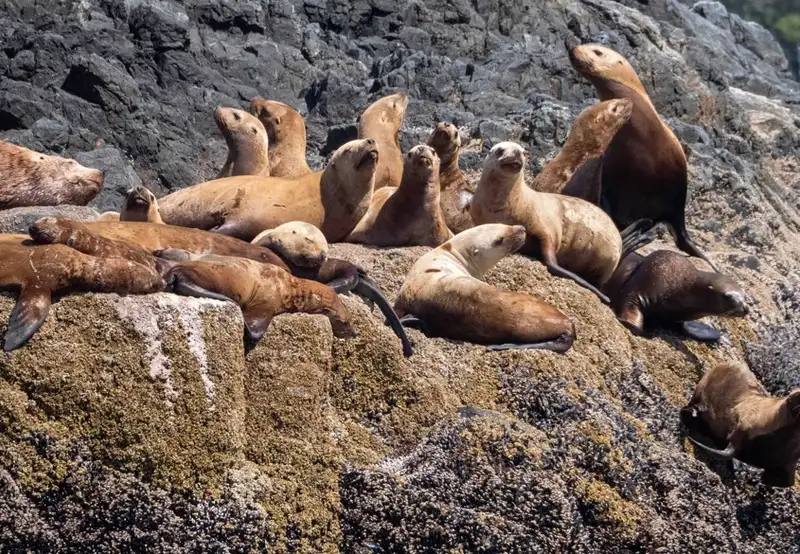
Lounge with Sea Lions
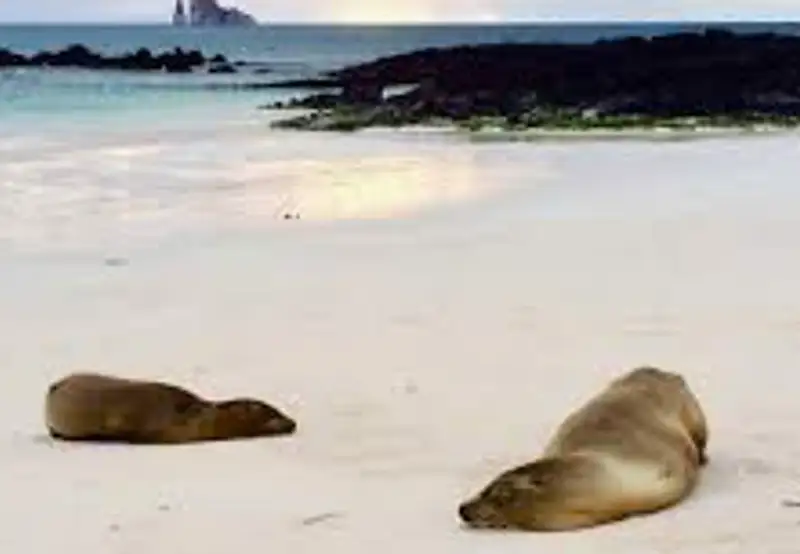
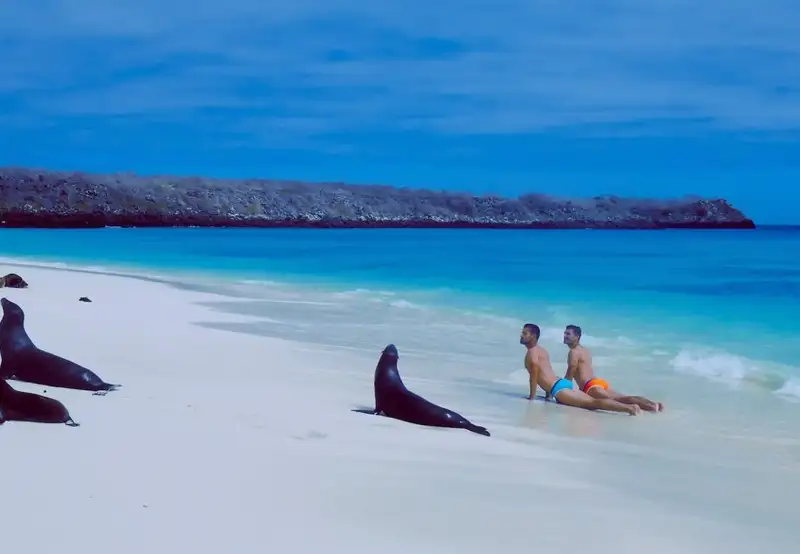
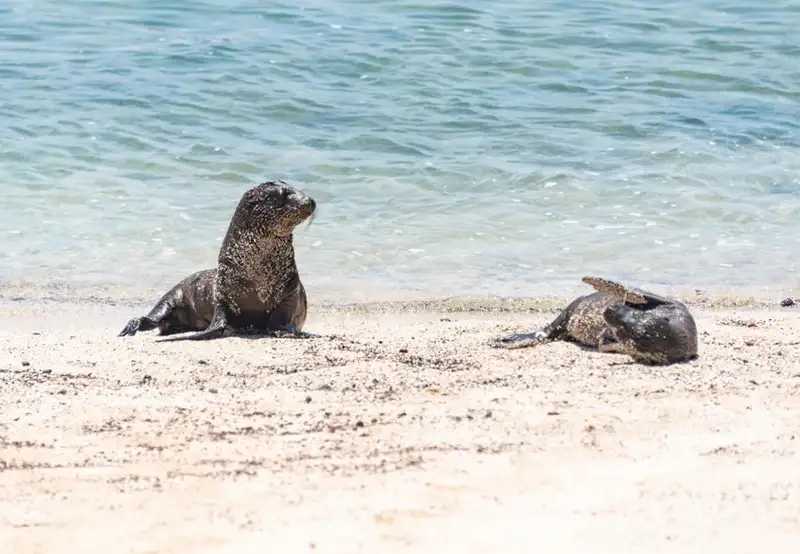
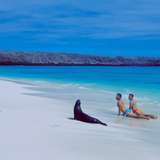
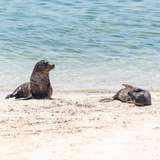
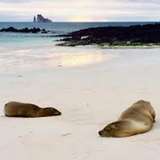
Gardner Bay is like a massive, natural nursery where hundreds of sea lions nap on the soft white sand. Because they aren't afraid of people, you can walk right past them as they sleep or play in the sun. It is a peaceful, amazing experience to see so many of them relaxing just a few feet away from you.
Spot a Mockingbird
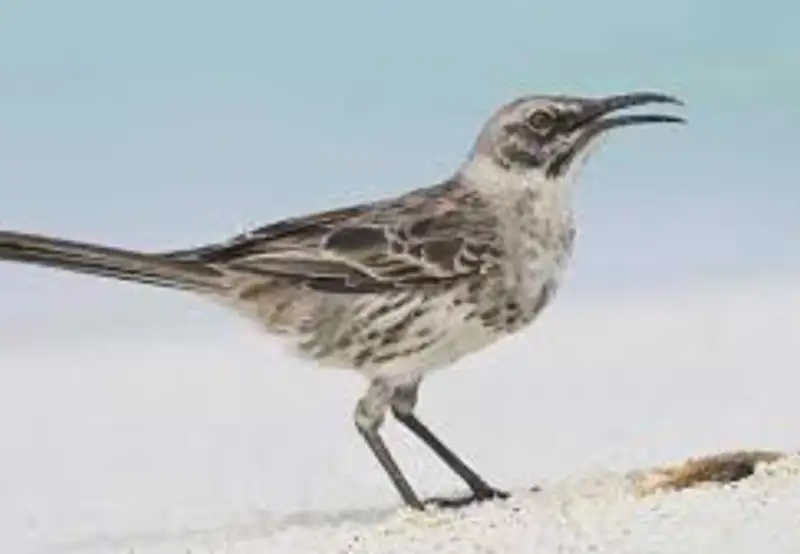
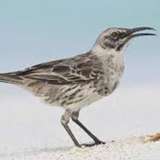
The Española Mockingbird is a very brave bird that isn't afraid of people. They are super curious and will often hop right up to your feet or land on your bag to see what you're doing.
You will see them hopping along the white sands of Gardner Bay or near the rocky cliffs of Punta Suárez, both located on Española Island in the Galápagos.
Punta Suarez, Espanola
DAY 6
01 Apr 2027
Time at Port: from 1:45 PM to 11:30 PM
Punta Suarez is one of the most spectacular wildlife sites in the Galapagos, located on the rugged western tip of Española Island. It is most famous for being the only nesting site in the world for the Waved Albatross, where these massive birds perform elaborate mating dances and launch themselves off dramatic ocean cliffs. As you walk the rocky trail, you will also encounter "Christmas Iguanas", marine iguanas that turn vibrant red and green during breeding season, as well as noisy sea lion colonies and the impressive "blowhole" that shoots seawater high into the air.
Things to do in Punta Suarez, Espanola:
Hike the Rugged Coastline
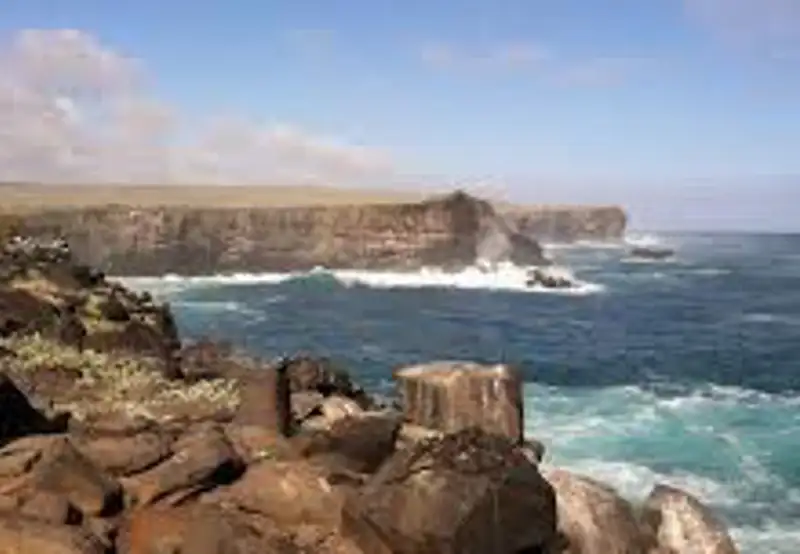
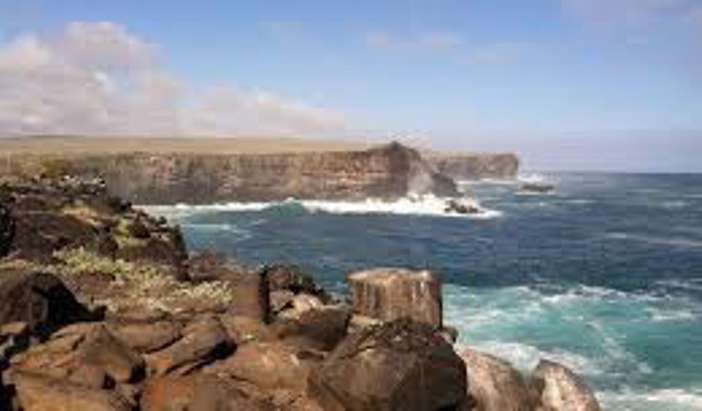
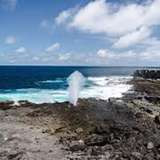
The rugged hike at Punta Suarez takes you across old volcanic rocks and along high ocean cliffs. It is a world-class trail where you walk right through colonies of nesting birds and colourful iguanas. The highlight is reaching the edge of the island to see the blowhole blast water high into the air as the waves crash against the rocks.
See "Christmas" Marine Iguanas
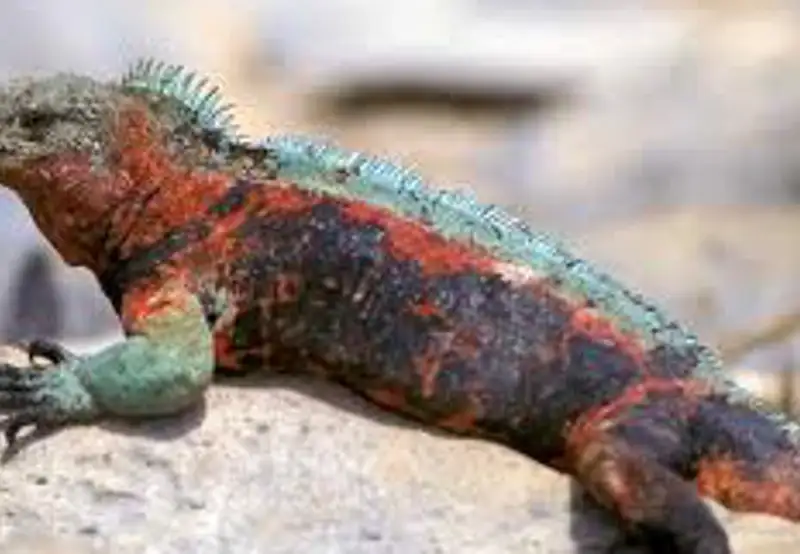
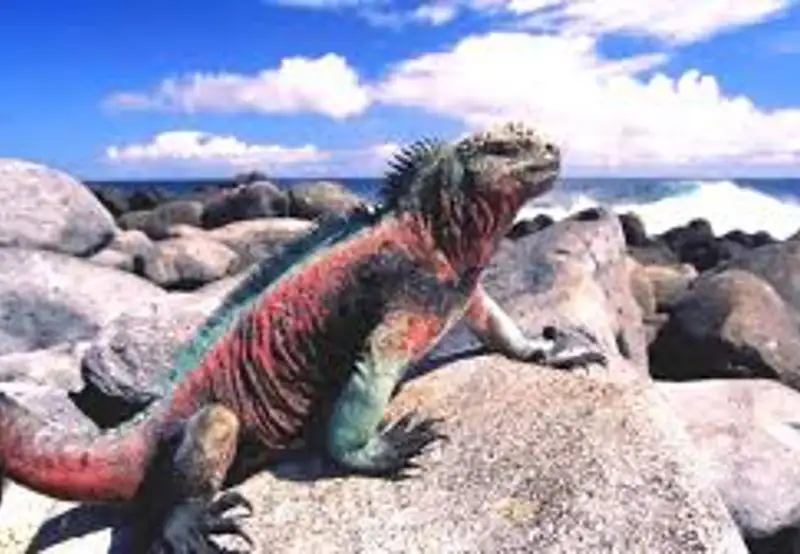
Punta Suarez is the only place where you can see the famous "Christmas" Marine Iguanas, a subspecies unique to Española Island. During the breeding season, these large lizards transform from their usual black colour into vibrant shades of bright red and teal green, earning them their festive nickname. Seeing hundreds of these colourful "mini-dragons" huddled together on the dark volcanic rocks against the crashing blue waves is one of the most unique and vivid sights in the Galapagos.
Marvel at the Blowhole
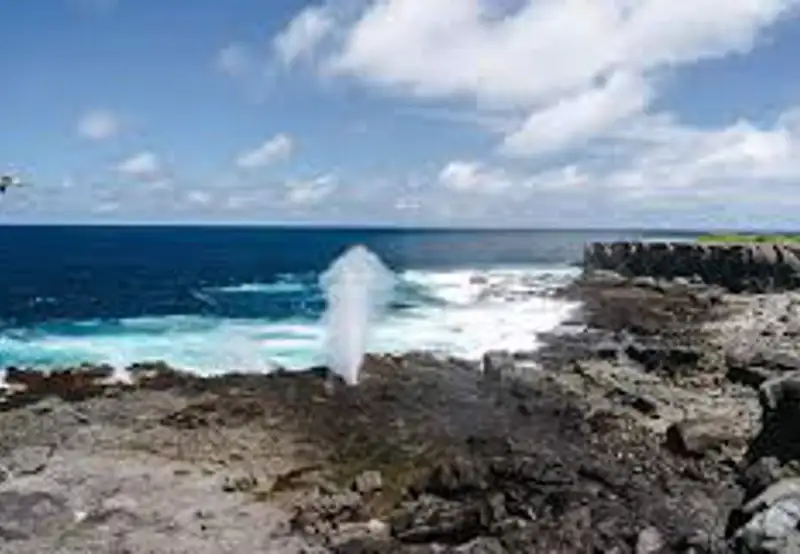
The Punta Suarez blowhole is a spectacular natural fountain created by the force of the Pacific Ocean. As heavy waves crash into a submerged volcanic fissure, the water pressure builds until a massive jet of seawater is blasted up to 25 metres into the air. This powerful display is framed by dramatic black cliffs and the sight of bright red marine iguanas and nesting seabirds, making it one of the most iconic and thunderous photo opportunities in the Galapagos.
Isla Lobos, San Cristobal
DAY 7
02 Apr 2027
Time at Port: from 7 AM to 12 PM
Isla Lobos is a small, rocky island located a short boat ride from San Cristóbal. The island is named after the many sea lions that live along its coastline. It features a volcanic landscape with low-lying plants and a calm inland channel. This area is a protected site within the Galapagos National Park and serves as a quiet sanctuary for local wildlife.
Things to do in Isla Lobos, San Cristobal:
Snorkel with Sea Lions
You can snorkel in the calm, shallow channel to swim alongside playful sea lion pups and sea turtles. The water is usually very clear, making it easy to spot rays and colourful tropical fish on the sandy bottom.
Walk the Nature Trail
Follow the rocky 850-meter path to explore the island’s volcanic landscape and see wildlife up close. This short hike gives you a great view of the coast and the nearby island of San Cristobal.
Spot Nesting Seabirds
Look for blue-footed boobies and frigatebirds nesting in the bushes and on the rocks right next to the trail. If you visit at the right time, you might even see the boobies performing their famous "mating dance."
Cerro Brujo, San Cristobal
DAY 7
02 Apr 2027
Time at Port: from 2:30 PM to 10 PM
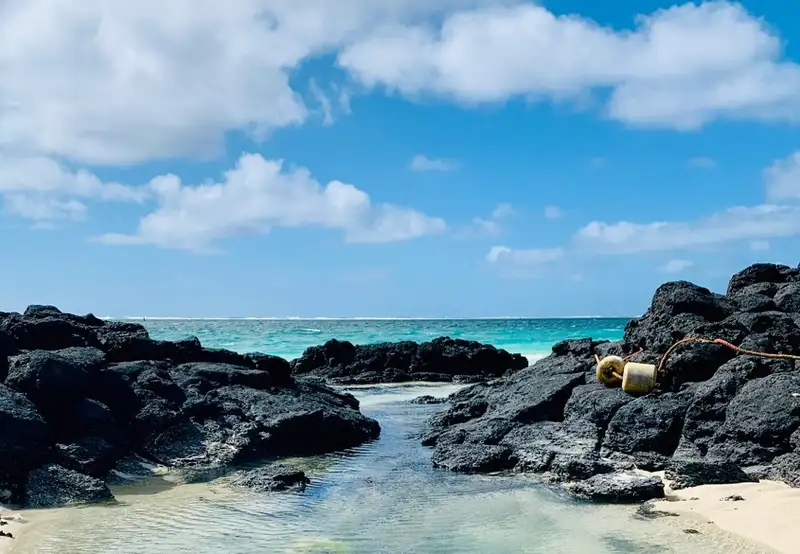
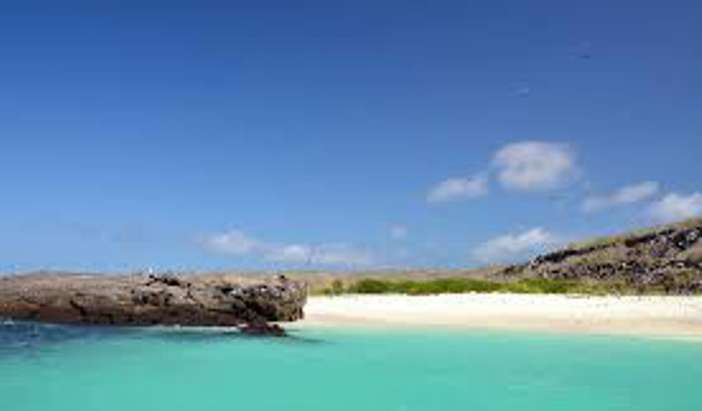
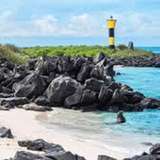
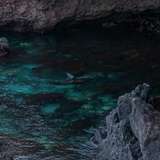
Cerro Brujo (Wizard Hill) is a spectacular white-sand beach and eroded volcanic cone on the northern coast of San Cristóbal. Famous as one of the first sites visited by Charles Darwin, it is now celebrated for its "powdered sugar" sand and remarkably clear turquoise waters. The beach is a sanctuary for Galápagos sea lions, blue footed boobies, and marine iguanas, all of which thrive undisturbed along the shoreline. Whether you are snorkelling with sea turtles in the bay or taking a panga ride to explore the nearby sea caves and the view of Kicker Rock, Cerro Brujo offers a raw and beautiful look at the archipelago's volcanic origins and its iconic wildlife.
Things to do in Cerro Brujo, San Cristobal:
Walk in Darwin's Footsteps
Walking the shoreline of Cerro Brujo allows you to follow the literal path of Charles Darwin, who first stepped onto these sands in 1835. The site remains a pristine "living laboratory," still home to the same curious mockingbirds and prehistoric-looking iguanas that originally captured his imagination. Exploring this untouched volcanic landscape offers a rare sense of time travel, letting you experience the exact environment that helped inspire the theory of evolution.
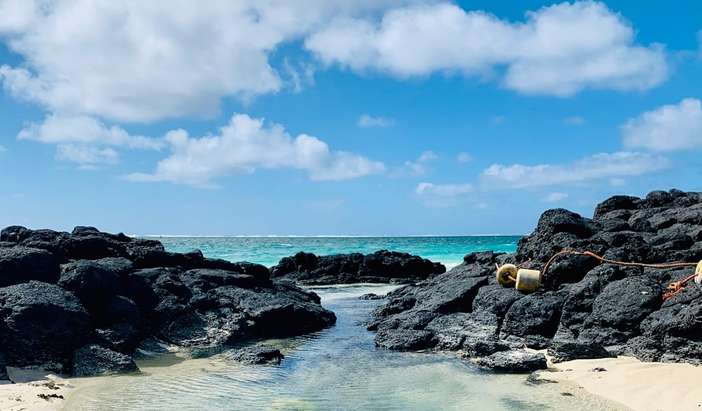
Snorkelling in Turquoise Waters
Snorkelling in the turquoise waters of Cerro Brujo is like swimming in a giant, natural aquarium. The bay is remarkably calm and clear, allowing you to drift over vibrant reefs teeming with tropical fish, graceful sea turtles, and rays. One of the biggest highlights is the frequent appearance of young sea lions, who often dart through the water to playfully interact with swimmers. Because the water stays relatively shallow near the shore, it provides an easy and breathtaking way to see the diverse marine life of the Galápagos up close against a backdrop of stunning volcanic scenery.
Lounge with Sea Lions
Lounging with sea lions at Cerro Brujo is an unforgettable experience, as the beach is home to a large, playful colony that treats the "powdered sugar" sand like their own private living room. These charismatic animals are famously unafraid of people, often napping just a few feet away or curiously watching visitors from the shoreline. As you walk along the pristine white coast, you'll hear their distinctive barks and see pups frolicking in the shallows or sunbathing alongside marine iguanas. It is a rare opportunity to share a beautiful, natural space with wildlife in a way that feels completely harmonious and undisturbed.
San Cristobal
DAY 8
03 Apr 2027
Time at Port: from 1:45 AM to 4:15 PM
Our experts are preparing detailed information about this location. Please check back shortly to discover more.
Kicker Rock, San Cristobal
DAY 8
03 Apr 2027
Time at Port: from 5:15 PM to 6:30 PM
Kicker Rock in San Cristobal is a breathtaking, iconic 148-meter-tall volcanic tuff cone remnant that rises from the ocean, with a 60-foot-deep passage between towering volcanic walls. It is a top Galapagos snorkelling and diving destination famed for vertical walls, fast sea currents, and sightings of hammerhead sharks, Galapagos sharks, eagle rays, and sea lions.
Things to do in Kicker Rock, San Cristobal:
Snorkeling & Diving
Explore the deep canal between the rock walls, which is frequently teeming with schooling hammerhead sharks, Galapagos sharks, sea turtles, eagle rays, and colourful tropical fish.
Wildlife Photography & Birdwatching
Capture photographs of the beautiful 140-meter-tall volcanic tuff cone, which is a nesting location for Blue-footed boobies, Nazca boobies, and Magnificent frigate birds.


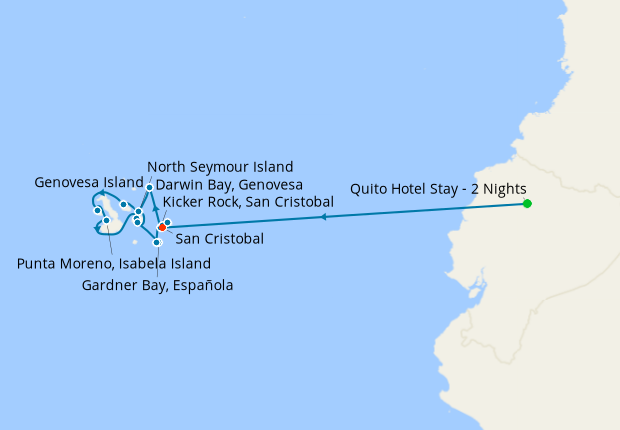


 27 March 2027 · 7 nights








 Wi-Fi
Wi-Fi
 Drinks
 Tips
Tips
 Specialty Dining
 Entertainment
 Accommodation
 Port Fees & Taxes